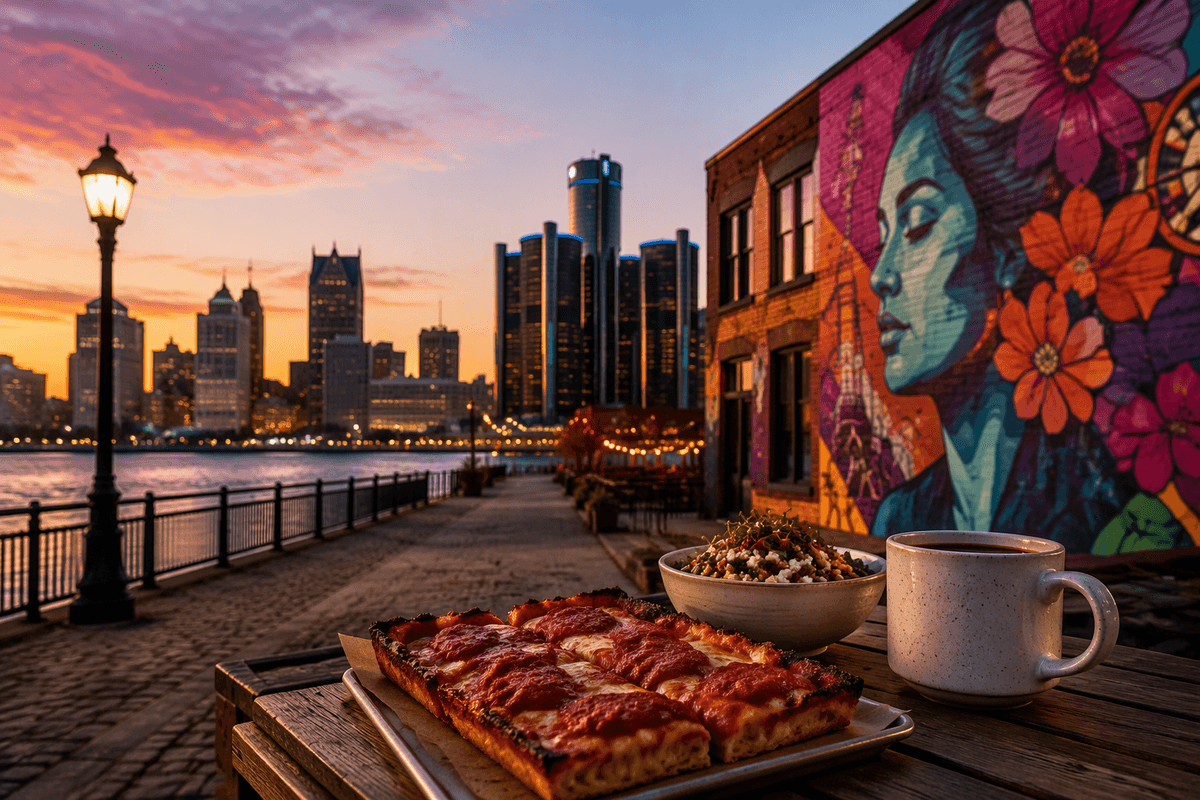
Detroit’s comeback: what to expect now
The first thing that surprised me wasn’t a single “big” revival moment—it was how quickly Detroit changes block to block. You’ll get a stretch that feels polished and busy, then a quieter corridor where you’re suddenly more aware of empty storefronts and distance. That’s not a reason to worry; it’s a cue to plan in clusters, because trying to stitch everything together on foot can turn a 15-minute idea into an hour of dead time.
For a 2–3 day long weekend, the comeback is most legible in a few concentrated zones—Downtown/Midtown/Corktown—where arts, food, and evening energy overlap. The friction point is transportation: you can do this without a car, but you’ll rely on ride-shares more than you expect, especially at night or if weather turns. Build your days around one main area at a time, and you’ll spend your budget on experiences instead of transit.
One more reality check: “Detroit” isn’t one scene with one vibe. It’s several strong scenes separated by gaps, so leaving slack in the schedule (and picking a couple non-negotiables) will feel better than chasing a perfect checklist.
Where to base yourself: key districts
The first decision that actually matters is where you want to “come home” to at night—because the neighborhood you sleep in determines how much you’ll spend on ride-shares and how spontaneous you can be after dinner.
If you’re going car-free, Downtown is the easiest base: hotels, riverfront walks, and quick ride-share hops in multiple directions, plus the QLINE People Mover/QLINE combo can cover small gaps when it’s running smoothly. The catch is it can feel more businessy, and some of the best food nights still pull you out of the core.
Midtown works better if museums and coffee mornings are the priority (DIA/MOCAD/New Center energy nearby), but evenings can get quieter, so you’ll likely Uber to dinner or music. Corktown is the most “weekend-fun” base for standout meals, but it’s smaller—great when you commit to it, a little limiting if you’re trying to bounce between arts stops without stacking short rides all day.
Arts anchors: museums, murals, design
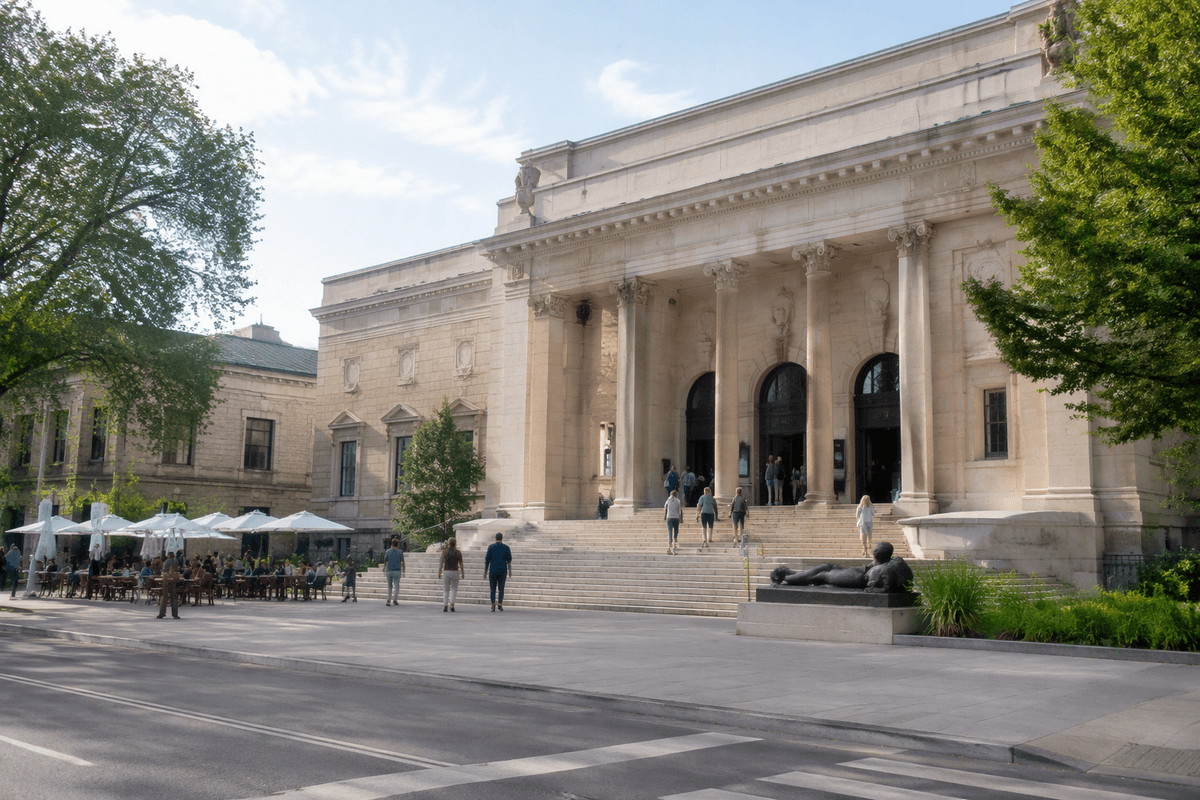
I realized on our first museum morning that Detroit rewards an “early anchor, flexible afternoon” rhythm—because the best arts stops are satisfying on their own, but the gaps between them can quietly eat your day if you try to chain too many without a car.
If you want one can’t-miss institution, the Detroit Institute of Arts is the cleanest yes for a first visit: it’s big enough to justify half a day, and Midtown makes it easy to pair with coffee or a low-effort lunch. The constraint is stamina—by the time you’ve done the highlights, adding another full museum can feel like homework. MOCAD is a smarter second stop when you still want something contemporary but lighter, and it’s less punishing if you’re running late.
For murals and design, plan them as “on-the-way” moments rather than a dedicated crawl. A ride-share loop to spot street art can be fun, but it’s surprisingly easy to burn money and momentum sitting in traffic or hunting for a single wall you saw on Instagram. If the weather’s iffy, keep the afternoon indoor and save the outdoor wandering for a clear, earlier block of time.
Motor City sounds: live music and venues
We almost overplanned a “music crawl” until we looked at ride-share ETAs after dinner and realized how fast a casual second stop turns into a late-night logistics problem. In Detroit, it pays to pick one venue zone per night and commit—especially if you’re car-free and don’t want to be pricing out rides at midnight.
If you’re staying Downtown, the cleanest, low-friction move is catching a show in the core (or just outside it) and letting dinner dictate the direction. Midtown/New Center can work better when you’ve spent the day at the DIA and want to roll straight into an evening set, but it’s quieter between spots—great if you want “one excellent show,” not bar-to-bar momentum. Corktown is the fun call when you want food-first and music second, but you’ll feel the distance if you try to bounce back toward Downtown late.
Two practical constraints that kept our nights smooth: start earlier than you think (Detroit nights can sprawl), and check set times before you book dinner. A slightly early reservation beats arriving mid-set—or paying twice in ride-shares just to make the timing work.
Eat Detroit: classics, new kitchens, markets

Our biggest food mistake almost happened at 8:15 on a Friday—scrolling for “where to eat” while hungry, then realizing the places we actually wanted were either booked or a 20-minute ride-share away. Detroit dining is very neighborhood-specific, so it helps to decide if you want a classic room with history (worth the time and reservation discipline) or a newer, quicker-hit spot you can slide into after a museum day.
If you’re based Downtown, aim for one “old Detroit” meal and one “new Detroit” meal, but don’t force them into the same night—crossing between Corktown and Midtown after dinner can feel minor until surge pricing hits or the weather turns. Corktown is the easiest area to build a food-forward evening (dinner, a second stop, then call it), while Midtown is better for a museum-adjacent lunch or early dinner that doesn’t require changing outfits or pacing a long wait.
Markets are the pressure-release valve: when timing slips, Eastern Market (best earlier in the day) or a casual counter spot saves you from burning an hour sitting hungry at a bar. The only catch is they’re less “special occasion,” so use them to protect your schedule—not replace the one meal you’ll talk about back in Chicago.
Leaving with the right impression
On our last morning, the temptation was to squeeze in “one more” across town, but that’s how Detroit can leave you with more windshield time than memories. If you’re car-free, end where you already are—one last walk, one last coffee—because the city feels best when you’re not chasing it.
The realistic takeaway: you’ll enjoy Detroit more if you leave a little unfinished. Pick one final stop that fits your base, and let the rest be a reason to come back, not a failure of planning. When energy dips, skip the extra ride and spend that time lingering over your last meal instead.