Health upgrades that quietly cut everyday spending
It usually shows up as a small wobble in the afternoon: your head feels a little thick, your patience gets shorter, and suddenly the “quick” options look reasonable. A drive-thru drink, a convenience-store snack, a delivery fee you barely notice until the bank alert pops up later. None of it feels like a big decision in the moment, and that’s the point—low energy makes spending feel like problem-solving. The misunderstanding is thinking this is mainly about willpower, when it’s often about predictable dips in sleep, water, and actual meals.
Small health upgrades can work like quiet spending guards. A consistent breakfast you don’t have to think about may reduce the mid-morning coffee run. Keeping a filled water bottle nearby can make “I’m hungry” moments less noisy, even if it doesn’t fix everything. A short walk after work won’t cancel a stressful day, but it can take the edge off the urge to buy a treat as relief. The pattern isn’t perfect, but it becomes easier to spot—and cheaper to live with.
Simple meals versus takeout: the real trade-offs
It’s often the moment you open the fridge and see ingredients that don’t quite add up to a plan. You’re not “out of food,” but you’re out of certainty—no sauce you trust, no protein thawed, no idea that feels worth the effort. Takeout wins because it’s decisive: one tap, one bag, one guaranteed flavor. It’s how takeout removes friction when you’re already tired, and how that relief can make the next night harder when leftovers don’t match anyone’s mood or the grocery produce starts to sag.
Simple meals don’t compete by being exciting. They compete by being easy to repeat without much thinking: a basic skillet meal, eggs and toast, rotisserie chicken stretched into two uses, a bagged salad plus something warm. It can feel underwhelming, and some nights it still doesn’t “solve” dinner emotionally. But when the baseline is steadier, the splurge nights become a choice instead of a rescue.
Grocery habits that prevent waste and regret
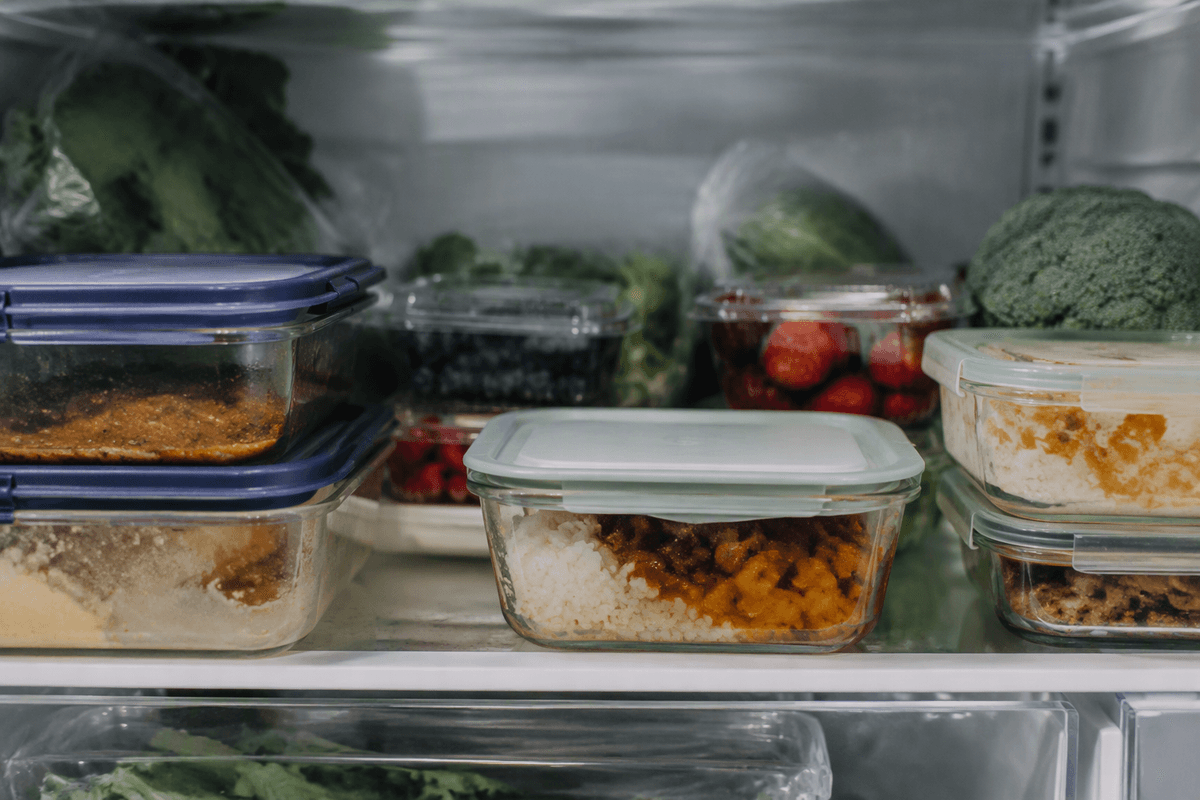
You notice it when you’re putting away groceries: the “healthy” stuff looks virtuous on the counter, then quietly turns into a problem by Thursday. The berries get soft, the greens wilt, and the yogurt cups you meant to grab in the morning keep getting buried behind leftovers. It’s easy to call that a lack of discipline, but it’s often a planning mismatch—buying for an ideal week while living a tired one. And when food starts to spoil, the next store run feels like paying twice.
What tends to cut waste is less about perfect lists and more about building in a few flexible anchors. Ingredients that can slide into multiple meals—frozen vegetables, a couple of reliable proteins, one or two sauces you actually use—create “good enough” dinners when the day runs long. The limitation is that appetite is inconsistent, especially when sleep is short, so groceries that require a specific mood can sit untouched. When you shop for likely energy levels instead of best intentions, regret drops along with the trash.
Movement habits that replace paid entertainment spending
It’s usually after dinner, when the dishes are half-done and the couch feels like the only reasonable place to land. You open an app “just to look,” and somehow it turns into a small spending spree: a rental, an in-game purchase, a late-night snack run, something that feels like a reward for getting through the day. The boredom and restlessness can feel like hunger or stress, so spending becomes the easiest way to change your state without noticing you’re doing it.
Light movement can compete with that urge in a surprisingly practical way. A ten-minute walk, a few laps while a show is loading, or stretching on the living-room floor doesn’t replace entertainment, but it can take the edge off the “I need something” feeling that sends you toward paid fixes. It isn’t consistent—weather, kids, and exhaustion are real constraints—but when movement happens often enough, it sometimes turns costly cravings into a simpler kind of relief.
Sleep and stress: hidden drivers of costly choices
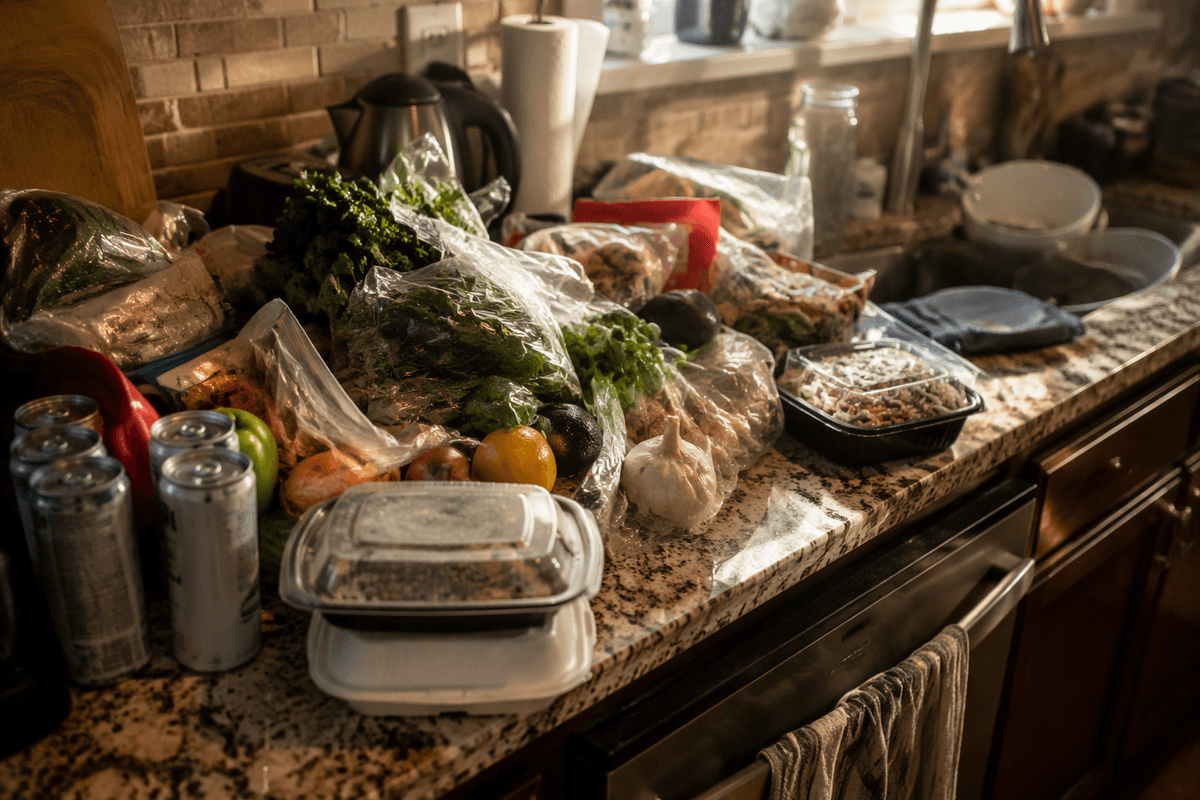
Some nights you fall into bed and still feel wired, then wake up with that thin-skinned, slightly dizzy sense that everything will take more effort than it should. By mid-morning, the “fixes” start to look practical: a bigger coffee, a pastry that wasn’t in the plan, a convenience lunch because decision-making feels expensive. The confusion is how normal it feels. Sleep loss and stress don’t always announce themselves as “tired”—they show up as urgency, cravings, and a shorter fuse, which makes buying relief feel like a sensible shortcut.
Over a few weeks, the costs add up in quiet ways: extra drinks, extra snacks, and groceries that looked smart on Sunday but go untouched when you’re too worn down to cook. In some situations, it helps to treat those predictable slumps as a signal rather than a failure—less “why can’t I stick to this,” more “what’s been stealing sleep, and what does it usually make me buy?” The pattern isn’t perfectly fixable, but it becomes easier to anticipate.
When “healthy” spending creates new frustrations
You can feel it in the cart when the “better” choices start stacking up: protein powder, pre-cut fruit, a pricey salad kit, a new water bottle because the old one is somewhere in the car. In the moment it seems like you’re buying momentum. Then a week later, the tub is still mostly full, the greens are slimy again, and the only thing that reliably got used was the grab-and-go snack that cost the most per bite. It’s a common frustration—spending more in the name of health, but still ending up tired and improvising.
Part of the problem is that some “healthy” products are built for an ideal routine, not a messy one. They can add new decisions (when to blend it, how to pack it, what to pair it with), and decision fatigue is exactly what drives convenience spending in the first place. If the pattern continues, it may help to notice which purchases reduce friction versus which ones mainly look like a fresh start.
Building habits that survive busy weeks and budgets
By Wednesday, it may hit in a quiet way: the water bottle is missing again, dinner is suddenly “whatever we can find,” and the nice intentions from the weekend feel oddly far away. That’s usually when people assume the system failed—when it may just be a normal high-friction week showing what was too complicated to repeat. The expensive part isn’t one takeout order. It’s the chain reaction: less sleep, fewer real meals, more snacky filler, and then groceries that no longer match the mood in the house.
Habits that survive tend to look a little plain. One or two breakfasts you can do half-awake. A short list of dinners that share ingredients, so a missed night doesn’t strand food in the fridge. A default walk that counts even when it’s ten minutes. None of this is perfectly consistent, and it won’t erase stress. But when the baseline is easier to restart, slumps start to read like clues—“I’m under-slept and under-fed”—instead of proof that you need another new plan.





![14 Best Personal Finance Tips [Financial Planning Tips for 2026]](static/image/2026/08/19/386a0029-2149-472a-96de-933a87ee417e.jpeg)