Choosing Cambodia bases: balancing temples, beaches, logistics
The first real decision in Cambodia isn’t which hotel to book—it’s which places are worth sleeping in, because every extra “just one night” stop turns into a half-day lost to packing, vans, and arrival-time uncertainty. For most first-timers, the clean backbone is Siem Reap (temples), Phnom Penh (history/food), and then either the coast or islands if you truly want downshift time.
What works well is choosing bases that match your mornings: Angkor starts early, so staying closer to Siem Reap’s core can beat a “cheaper but far” option once you price in tuk-tuks and fatigue. What doesn’t work is assuming transfers run like clockwork—late arrivals happen, and some areas feel fine at lunch but get loud or a little sketchy after dark. If your trip is 7–10 days, keep it to two or three bases; if you have 12–14, add the coast—but only if you’re willing to spend a full travel day getting there and back.
Siem Reap: best neighborhoods for Angkor access
My first Siem Reap booking mistake was chasing a “quiet deal” that looked close on the map—then realizing that “10 minutes” to town is a different promise at 5:00 a.m. when you’re trying to catch sunrise at Angkor and your driver is hunting for your lane. For most first-timers, staying in the central area around Pub Street/Old Market is the easiest: you can walk to dinner, grab a last-minute coffee, and you’re not negotiating long tuk-tuk rides just to eat.
If you’re sensitive to noise, the trade-off is real: that same core can run late, especially on weekends, and some hotels don’t insulate sound well. In that case, aim just outside the center (a short tuk-tuk hop away) where mornings feel calmer but you still have quick access to Angkor routes. What rarely pays off is going too far out toward the highways to save a few dollars—by day two, the extra rides, waiting, and “where exactly is this place?” friction tends to cost more than it saves.
Phnom Penh: riverfront vs BKK vs central
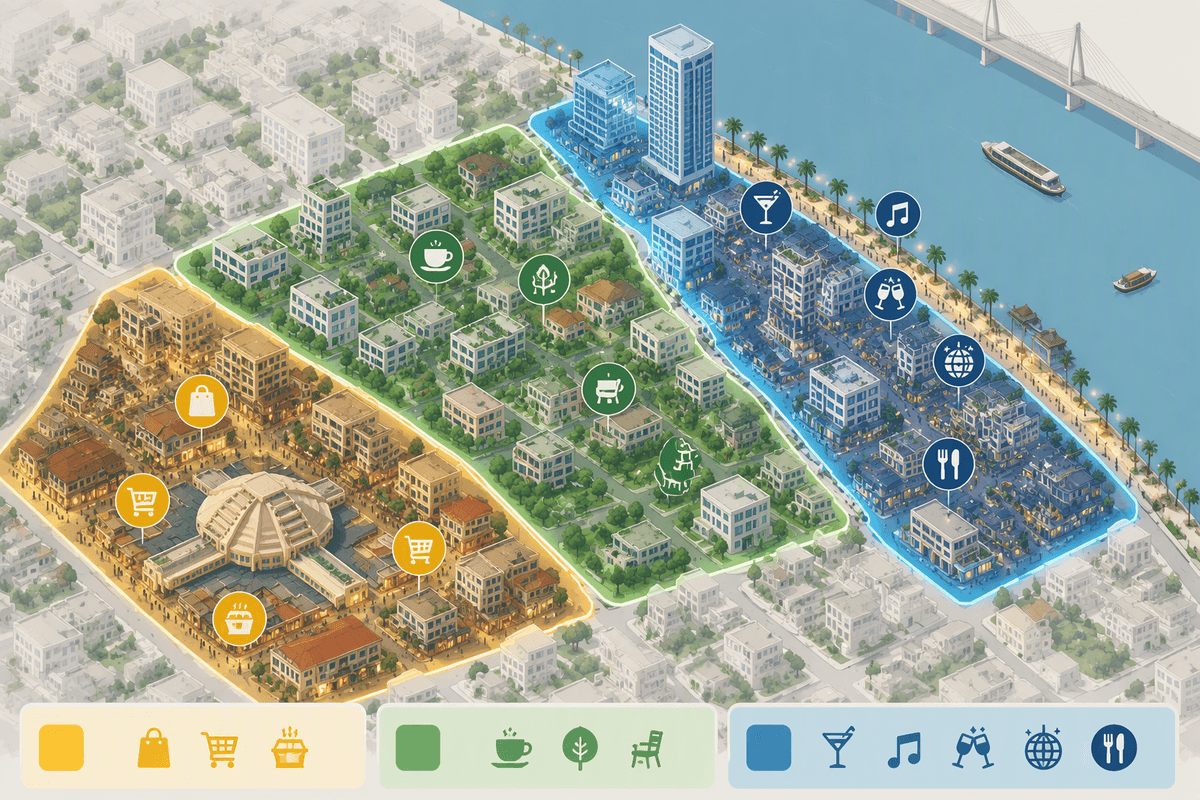
Phnom Penh is where I’ve most regretted “nice view” logic. The riverfront (Sisowath Quay) is convenient for sunset walks and an easy first night if you arrive late, but it’s also where noise and touts can spike—great at 6 p.m., a bit wearing when you’re trying to sleep before a Tuol Sleng morning.
BKK1 (and nearby BKK2/3) is the calmer, more “liveable” pick: better cafes, fewer surprises walking back after dinner, and generally a smoother comfort-to-price ratio. You’ll be using tuk-tuks more for the Palace, riverside, and some museums—cheap, but it adds up in time and small negotiations.
“Central” around the markets can be budget-friendly and close to transit, but it’s patchier block by block. If you choose it, prioritize a place on a bigger, well-lit street and don’t assume the cheapest room will be quiet.
Coast and islands: Kampot, Kep, Sihanoukville, Koh Rong
The coast is where the plan starts to wobble if you treat it like “just a quick add-on.” Kampot works best as the easy base: you can land, eat well, and decide day-by-day whether you want pepper farms, a mellow river cruise, or just downtime—without committing to a beach you may not love. It’s not a postcard-swim town, and in the hottest hours the riverside can feel more languid than refreshing.
Kep is the quieter, sleepier option—nice if you want crab, sea air, and early nights—but it’s thin on variety, so two nights can feel long if you’re expecting nightlife or lots of “things to do.” Sihanoukville is mostly a logistics stop now: it’s where ferries and road transfers converge, but it’s not where I’d spend precious nights unless you have a specific reason and a hotel you trust for noise and location.
If you actually want beach time, go straight to Koh Rong (or the quieter Samloem): fewer decisions once you’re there, but you pay in friction—boat schedules, wet bags, and the risk of arriving late with limited transport on the island. I’d only do it if you can give it at least two full nights, not one rushed night between vans.
Off-the-beaten-path: Battambang, Mondulkiri, Kratie
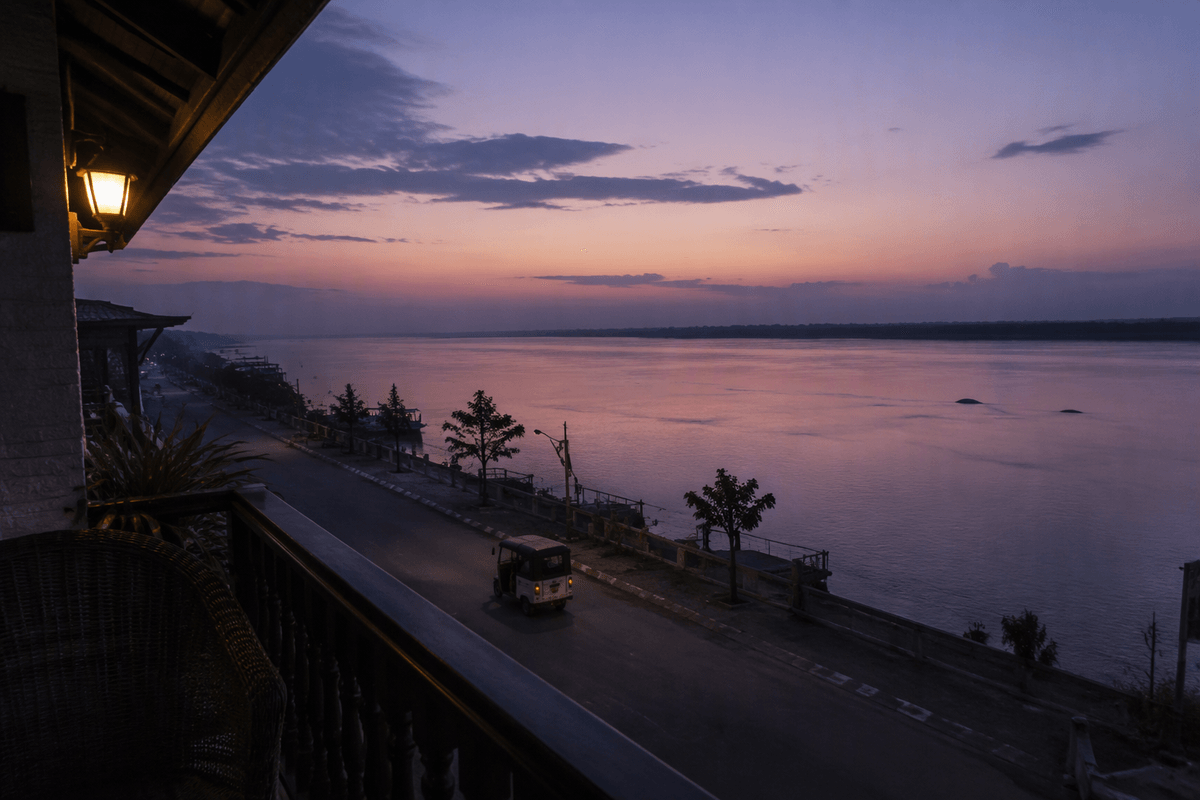
I almost always hesitate before adding a “bonus” stop inland, because the map makes Battambang, Mondulkiri, and Kratie look like neat little triangles—then you remember you’re still dealing with buses, heat, and arrivals that land after dark. If you’re already moving between Siem Reap and Phnom Penh, Battambang is the one that slots in cleanly: one or two nights, an easy town base, and you can keep evenings simple without chasing transport back from scattered sights.
Mondulkiri is the opposite trade-off: it’s rewarding if you want cooler air and nature, but it’s transfer-heavy and works best when you commit (at least two nights) so you’re not spending your “forest” time on a minivan. Kratie is the in-between option—good for a slower riverside night and dolphin timing, but it’s not a nightlife town, and a quiet room matters because early departures can mean thin breakfast options and limited tuk-tuks. If your trip is closer to 7–10 days, pick one of these—not all three—and let the rest go without guilt.
How many nights where: simple first-timer splits
The night-count decision usually hits when you realize a “short” transfer day still steals your best hours—especially if your bus lands at 6–8 p.m. and you’re too fried to do more than find dinner. For a 7–8 day first trip, I’d keep it clean: 4 nights Siem Reap, 3 nights Phnom Penh. It’s enough buffer for an Angkor big day plus a slower temple day, and Phnom Penh gets more than a rushed one-night “checklist” stop.
At 9–11 days, the easiest upgrade is 4 nights Siem Reap, 3 nights Phnom Penh, 2–4 nights Kampot or Kep depending on how quiet you want evenings to be. Kampot works better if you want choice (food, day trips) without committing to beaches; Kep works if your goal is early nights and a slower pace, with the constraint that it can feel “done” quickly.
At 12–14 days, only add islands if you can protect the time: 4 Siem Reap, 3 Phnom Penh, 3 Kampot, 3 Koh Rong (or Samloem) is the version that doesn’t feel like constant repacking. Anything that gives the islands just one night tends to collapse under boat schedules, late arrivals, and the very real problem of trying to find your room in the dark with a backpack and a wet phone.
Closing: the right stays for your Cambodia pace
The moment to lock this in is when you catch yourself adding “one more place” because it looks close on the map. Cambodia punishes that kind of optimism: late buses, hot arrivals, and the simple hassle of checking in again can quietly eat the trip you thought you were upgrading.
If your priority is temples and easy mornings, stay central in Siem Reap (or just outside it for sleep) and don’t overthink it. If you want calmer evenings and a smoother comfort-to-budget ratio, Phnom Penh’s BKK areas usually beat the riverfront’s “nice at sunset, loud at midnight” reality. And if you’re adding the coast or islands, choose one style—mainland flexibility (Kampot/Kep) or island commitment (Koh Rong/Samloem)—then give it enough nights to absorb ferry schedules and fatigue. The best base is the one that makes your next morning simple.







![14 Best Personal Finance Tips [Financial Planning Tips for 2026]](static/image/2026/08/19/386a0029-2149-472a-96de-933a87ee417e.jpeg)