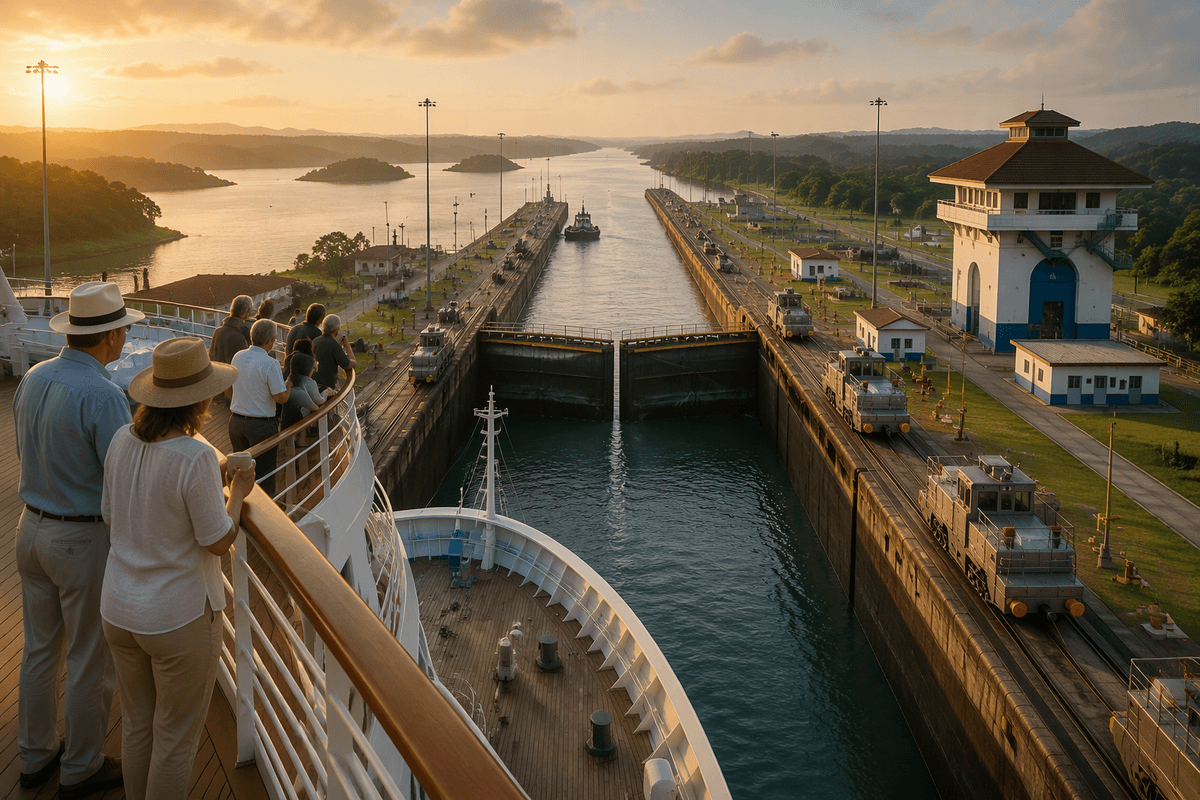
Portofino in three days: the romance vs. the crowds
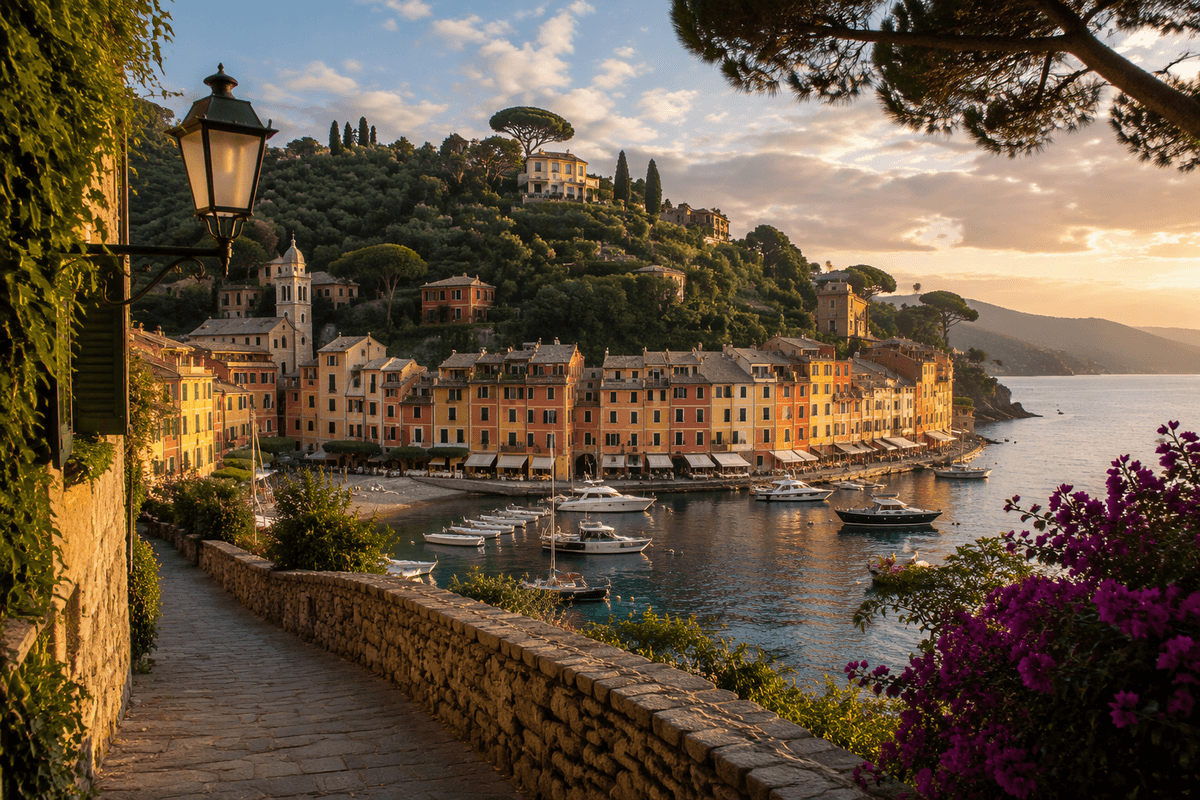
The first decision hits before you even see the harbor: do you want to wake up inside Portofino’s postcard, or nearby where the logistics are calmer? Staying in Portofino feels cinematic at 7:30 a.m. when the boats are quiet and you can actually hear cutlery on terraces—but you pay for that privilege, and by late morning the lanes tighten into a slow-moving photo queue.
For most mid-range weekends, basing in Santa Margherita Ligure is the cleaner play: more hotel choice, easier train access from Milan, and you can “commute” into Portofino when it’s at its best. The catch is you’ll be managing timetables (bus/ferry) and the last ride back matters if dinner runs long.
Three days works if you treat Portofino like a series of well-timed windows: early harbor + viewpoints on Day 1, the San Fruttuoso outing on Day 2 (weather dependent), then a slower, shop-and-linger finish on Day 3. Aim to book one splurge meal and one boat-related element ahead; leave the rest flexible so crowds—or a sudden change in sea conditions—don’t hijack your plans.
Day 1: Harbor charm, viewpoints, golden-hour aperitivo
We got off the bus in Portofino with the specific goal of “winning” the harbor before it turned into a backdrop for everyone else’s weekend. If you’re based in Santa Margherita, it’s worth taking an early ride (think before 9:00) even if it means a rushed coffee—after that, the waterfront becomes less about strolling and more about inching around selfie bottlenecks. The first hour is when the village actually feels like a place people live, not a set.
Start with a slow lap of the harbor, then immediately spend your legs on elevation: the views get better faster than the photos on the quay. Castello Brown is the tidy, pay-to-enter option when you want a predictable viewpoint and don’t want to gamble on trail conditions; the lighthouse walk (Faro di Portofino) feels more “earned,” but it’s longer and can get sticky in midday heat if you’re not used to walking stairs. Either way, do the climb before lunch—trying to tackle it after a seafood-heavy meal is when the romance turns into regret.
For golden hour, plan aperitivo like a reservation problem, not a vibe. The waterfront tables look perfect, but you’re paying for the address and often getting average spritz execution. We had a better time a street back where the view was smaller but the service was calmer—and we weren’t watching the clock for the last bus/ferry back to Santa Margherita. If you want a harbor-side seat, book it, then set a hard “leave” time so your evening doesn’t end in a crowded queue at the stop.
Day 2: Coastal trail, San Fruttuoso, swim break
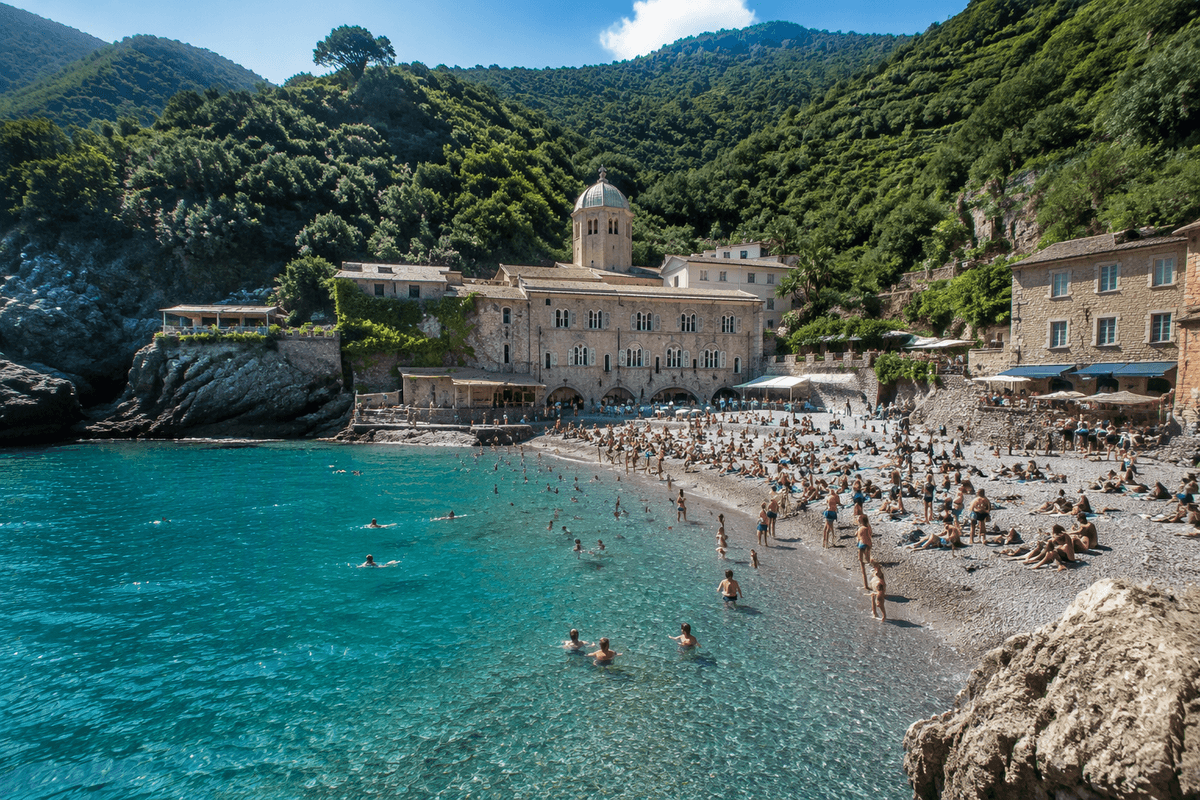
The morning we committed to San Fruttuoso, the first real decision wasn’t “should we hike?”—it was “can we trust the sea today?” If the water looks choppy or the sky is shifting, lock in the hike early and treat the ferry as the bonus, not the plan. Boats get delayed or sold out when conditions turn, and waiting on a pier in full sun is a fast way to burn half your day. We aimed to be moving by 9:00 so the climb happened in cool air, not peak heat, and so we weren’t arriving at the cove exactly when every day-tripper does.
The coastal trail is the most satisfying way to earn San Fruttuoso, but it’s not a “cute walk”—it’s a real, uneven effort with stairs, narrow sections, and a pace that slows if you’re dodging groups. Wear shoes you can actually hike in; flimsy sandals are where the scenery stops being romantic. If one of you isn’t feeling it, the smarter split is: ferry one way, hike the other. Hiking out after a swim can feel heroic on paper and punishing in practice, especially if you linger too long at lunch.
San Fruttuoso itself rewards a tight plan: arrive, claim a patch of pebbles, swim, then decide on the abbey or a long seafood lunch—not both at maximum speed. The beach is small and fills quickly, and the “quick dip” becomes complicated if you didn’t pack water shoes, a dry bag, and something to sit on. We found the sweet spot was swimming before noon, then eating once the crowds were settling into their chairs; otherwise you’re paying premium prices while watching the return-boat line grow. Keep an eye on the last departures so you’re not choosing between sprinting and overpaying for a ride back.
Day 3: Slow morning, shopping, final sea view
On Day 3 we finally stopped racing the bus clock and let the morning stretch—mostly because trying to “do one more big thing” in Portofino is how you end up sweaty, slightly annoyed, and still surrounded by the same midday crush. If you’re based in Santa Margherita, it’s the one day I’d consider arriving later on purpose (around 10:00–10:30): you miss the quiet harbor, yes, but you also skip the feeling that you’re spending your last hours managing logistics instead of enjoying them.
Portofino shopping is a quick reality check for a mid-range budget: the waterfront is glossy, but it’s easy to pay designer prices for things you could buy anywhere. What worked better for us was treating it like a short, intentional loop—one or two boutiques you actually care about, then backstreets for smaller finds—rather than wandering until you accidentally spend lunch money on “Riviera” linen. If the lanes feel jammed, duck into the church square area for five minutes; it’s not empty, but it breathes more than the quay.
For a final sea view, go back uphill one last time, but choose the version your legs will tolerate: the lighthouse path is still the most satisfying farewell, yet it’s less charming when the sun is high and your bags are already mentally packed. If you want the view without the full effort, Castello Brown is the cleaner exit ramp—pay, climb, look, leave—then give yourselves a hard stop time to get back before the return queues tighten and your “slow morning” turns into a rushed departure.
Getting around, timing, and reservations that matter
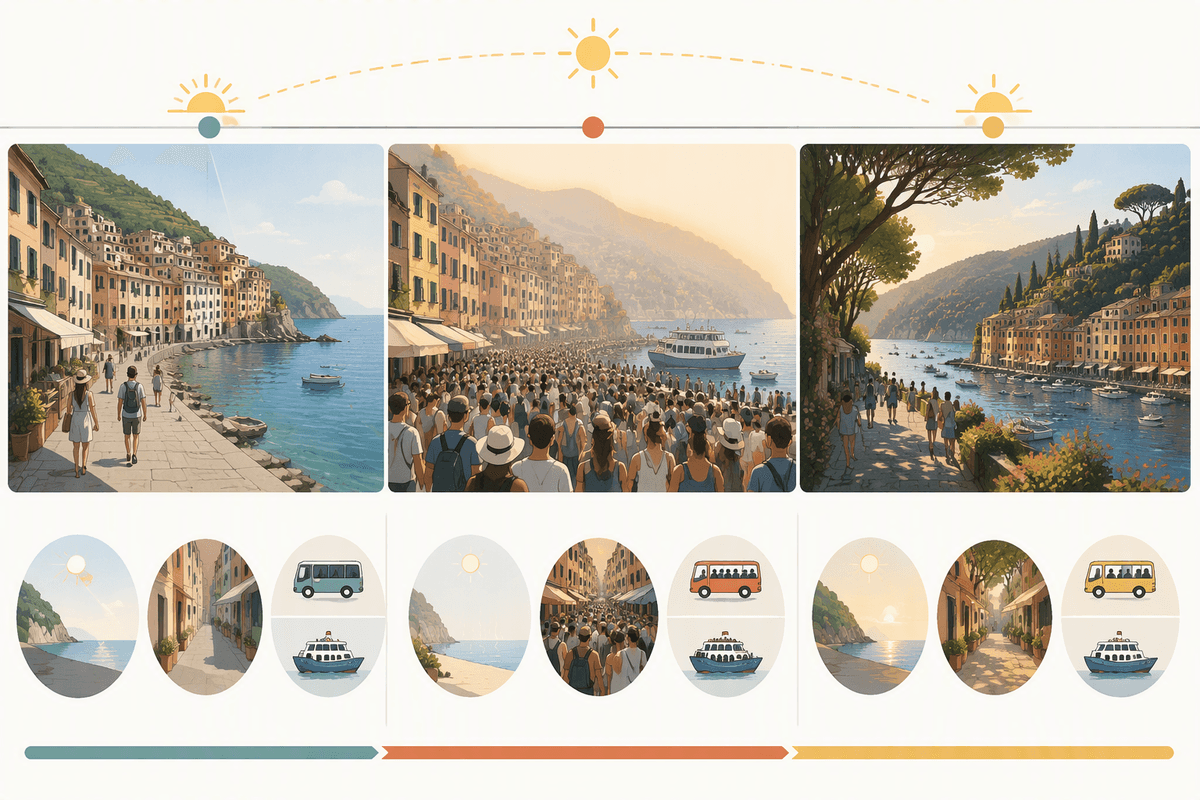
The one time our plan actually wobbled wasn’t on a trail—it was at a stop, watching three full buses roll past and realizing “flexible” doesn’t mean “magically guaranteed.” If you’re flying into Milan and training down, Santa Margherita Ligure keeps your arrival and departure calm; Portofino is prettier to wake up in, but it’s a bottleneck the moment you’re relying on someone else’s timetable. For day-to-day movement, the bus is usually the best value, the ferry is the most pleasant, and walking is the most reliable—until heat or a late lunch makes that reliability feel expensive in effort.
Timing is everything here: treat 9:00–11:00 as your quiet window and 11:30–16:00 as your “manage expectations” block. If you’re ferry-dependent, check the day’s first departures before you commit to a long sit-down meal; the prettiest lunch can turn sour if it strands you with an hour of sun and no shade. On hiking days, build a buffer for slowdowns—crowds don’t just fill viewpoints, they slow stair sections to a crawl.
Reservations that actually matter: any harbor-front dinner you care about (especially around sunset), and anything involving a boat (ferry legs or a private outing) if it’s a weekend. We didn’t bother booking casual lunches, but we did pick one “anchor” reservation per day so we weren’t making decisions while hungry, sweaty, and stuck in a line.
Leaving Portofino: what you’ll remember—and why
Our last morning ended the way Portofino works best: a quick espresso, one final look at the harbor, and then leaving before the village tightened into a slow, shoulder-to-shoulder corridor. It’s tempting to squeeze in a “farewell” lunch on the water, but that’s when prices spike and timing gets fragile—especially if you’re trying to connect back to Santa Margherita for a train onward to Milan.
What sticks isn’t the most expensive table or the busiest quay; it’s the contrast between early calm and midday chaos, and the feeling of earning your views with a short climb. If you did one real walk (lighthouse or the San Fruttuoso leg) and one well-timed aperitivo, you’ll remember Portofino as a place, not a crowd. The practical takeaway for a long weekend: leave with a little margin—buffer time beats one more photo when a single missed bus can rewrite your whole departure.







![14 Best Personal Finance Tips [Financial Planning Tips for 2026]](static/image/2026/08/19/386a0029-2149-472a-96de-933a87ee417e.jpeg)