Burnout signals that look like normal tiredness
You notice it in small moments: you’re standing at the sink, water running, and you can’t remember why you turned it on. The tiredness feels ordinary—anyone would be wiped out after work, a late-night medication reminder, and a few hours of broken sleep. But the fatigue starts to come with odd edges. A short question from your parent lands like a demand. A minor change in routine feels strangely hard. You may catch yourself going numb—doing tasks smoothly while feeling emotionally flat, then getting irritated when someone asks for “one more thing.”
Some days you rally and look fine, which convinces you it’s “just a rough week.” Then the mistakes show up: missed appointments, doubled doses you have to re-check, more snack-meals, more caffeine, and fewer real breaks. Your body may join in too—more headaches, more colds, or that wired-at-night feeling even when you’re exhausted. It’s less about one bad day, and more about recovery quietly disappearing.
Why caregiving strain builds despite good intentions
It often shows up when you realize you’ve been “adjusting” all week without noticing. You answer a work email while listening for movement down the hall. You skip a proper lunch because the pharmacy called back. You tell yourself you’ll rest after things settle—except they don’t. Good intentions can even speed it up: you want your parent to feel safe, you want routines to stay smooth, and you don’t want to bother anyone else. So you absorb the little disruptions, again and again, until there’s no quiet space left in the day.
Caregiving strain builds because the demands rise in tiny steps while recovery drops in tiny steps. A new symptom adds one more check-in. A fall scare makes you hyper-alert. Sleep gets lighter, and your patience gets shorter. You may not feel “stressed” so much as constantly braced. The hard part is the math: when small tasks multiply and breaks shrink, your coping skills don’t fail all at once—they wear thin, then surprise you.
The hidden cost of being constantly “on call”
It can hit you at 2:00 a.m. when your phone buzzes—or when it doesn’t, and you still jolt awake to check it. Being “on call” rarely looks dramatic. It looks like showering with one ear tuned for a door opening, keeping your shoes half-ready, replaying the medication schedule in your head while you’re trying to listen to a coworker. Even when nothing is happening, your body may stay in that half-alert state, as if you’re waiting for the next problem to announce itself.
The cost is that true rest stops counting. You might sit down, but your attention never fully lands. Over time, that constant scanning can make you more mistake-prone and more reactive—snapping at small interruptions, forgetting simple steps, feeling oddly resentful when someone asks for help “real quick.” The confusing part is how ordinary it all seems in the moment, until you notice you can’t remember the last time you felt off-duty.
When “doing more” creates surprising resentment
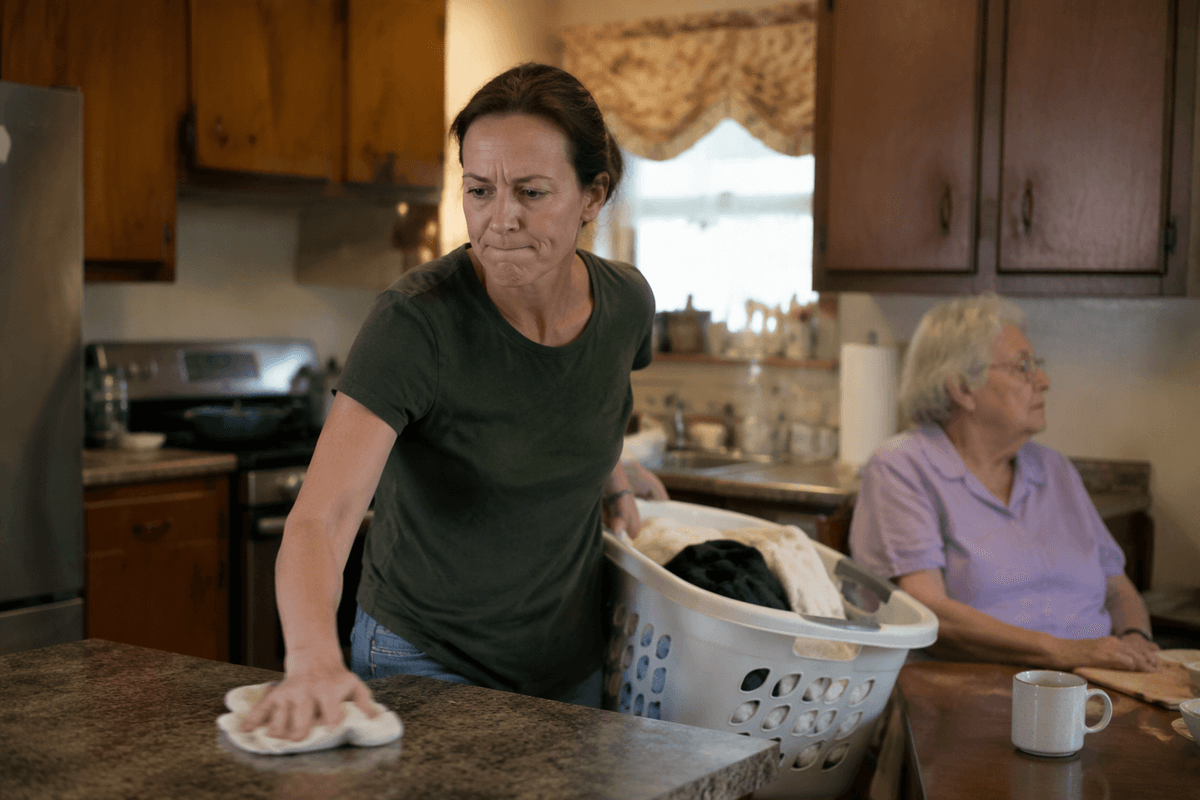
It might be while you’re wiping the counter for the third time, or re-folding laundry that didn’t need it, and you feel a flash of anger that doesn’t match the moment. You’ve been “doing more” to keep things calm—more reminders, more double-checking, more smoothing over confusion so your parent doesn’t get upset. But the extra effort can start to feel invisible. When no one notices the planning, the hovering, the constant mental math, it can land in your body as irritation: a tight jaw, a sharp tone, a feeling of being used even when you love the person you’re helping.
Resentment often sneaks in through fairness misunderstandings. Other family members may see the visible tasks and assume you’re managing fine, while you’re carrying the on-call layer that never ends. And because you’ve been capable for so long, you may not even realize you’re over-functioning until a small request—“Can you just…?”—feels like the last straw.
Boundaries that protect care without feeling selfish
It can feel almost petty the first time you don’t answer right away—letting the phone ring once more, finishing your bite of food, taking your shoes off before you respond. A lot of caregivers mistake boundaries for distance or punishment, when they’re often just a way to make the day livable. Without some edges, everything becomes urgent, and your body stays in that braced, scanning mode even when the house is quiet.
What tends to help is making the boundary about the task, not the person. “I can do meds after I finish this call,” lands differently than “Stop interrupting.” Small, repeatable rules—no medical calls during meetings, one daily update text to siblings, a set time to review paperwork—can reduce the constant negotiating in your head. It won’t feel consistent at first. You may still feel guilty, especially if your parent is upset. But guilt isn’t always a sign you’re doing harm; sometimes it’s just evidence you’re changing a long-running pattern.
Support systems that work in real life
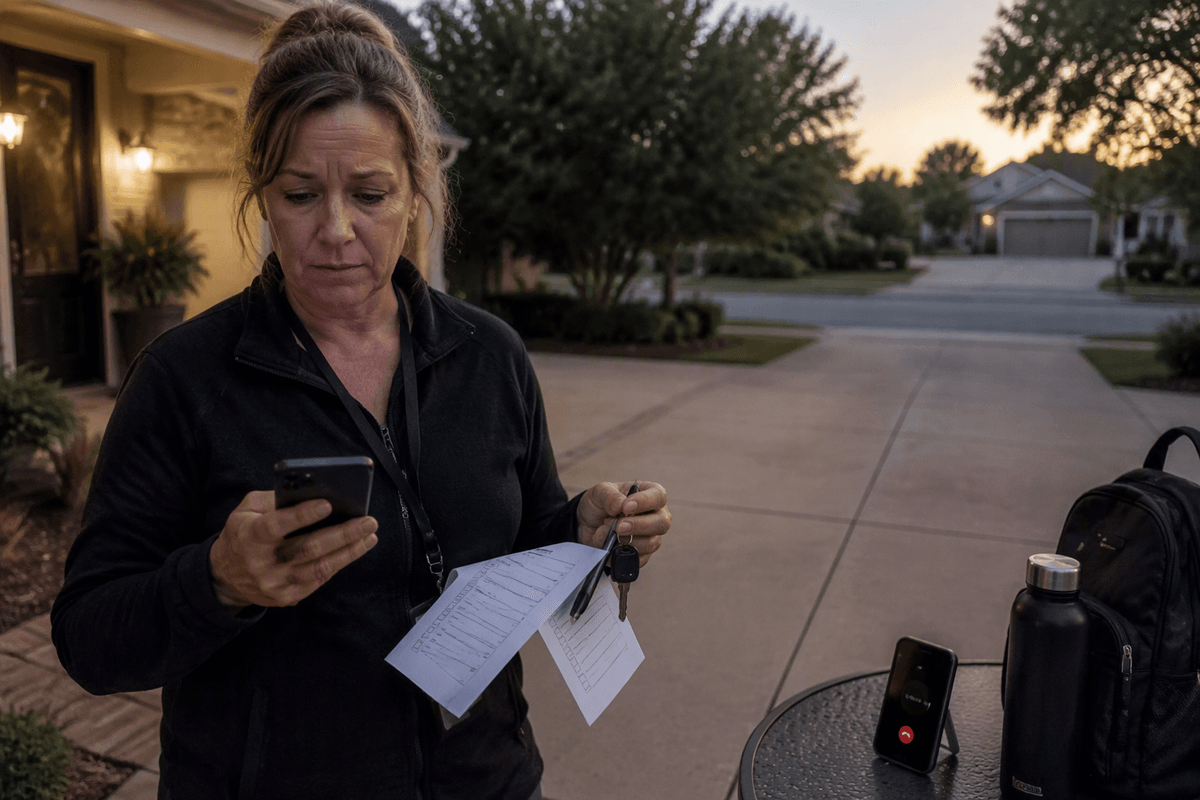
You can feel the difference on a day when something goes wrong—an appointment gets moved, your parent has a rough afternoon—and you notice you’re not the only one holding the whole plan in your head. Real-life support usually isn’t a perfect “village.” It’s more like a few dependable pieces that reduce your on-call load in specific ways: one sibling who handles insurance calls, a neighbor who can sit for 30 minutes while you take a walk, a paid aide who covers the hardest time of day, a pharmacy that auto-refills, a calendar everyone can actually see.
People offer “anything you need,” then disappear when you name a task. What tends to work better is assigning small, concrete jobs with a rhythm—Tuesday grocery order, Thursday check-in call, one monthly ride. Even then, you may need backups for sick days and no-shows. The goal isn’t a flawless system; it’s fewer moments where every problem automatically lands on you.
A sustainable plan for your health and identity
Somewhere in the middle of an ordinary Tuesday, you may catch yourself talking like you’re a job title instead of a person: “I can’t, I have to do Mom’s meds,” “I’m on call,” “I’ll sleep later.” It’s a subtle identity squeeze. When every hour is accounted for, your brain starts treating your needs as optional—until they show up as a short fuse, more mistakes, or that blank, checked-out feeling that scares you because it’s new.
A sustainable plan usually isn’t a big reset; it’s a few non-negotiables that keep you recognizable to yourself. Think in simple math: what restores you has to exist on the calendar the same way caregiving does. That might be one protected meal, one movement habit you can repeat, one weekly block where someone else covers—even if it’s imperfect. The plan will wobble during flares or falls. But when you can name the pattern early—demands up, recovery down—you’re less likely to confuse survival mode with “this is just who I am now.”





![7 Best Rental Listing Sites [Where to List Apartment Rentals]](static/image/2026/08/18/75e4f38f-928f-4a37-9c77-77d68c8911d4.png)



![14 Best Personal Finance Tips [Financial Planning Tips for 2026]](static/image/2026/08/19/386a0029-2149-472a-96de-933a87ee417e.jpeg)