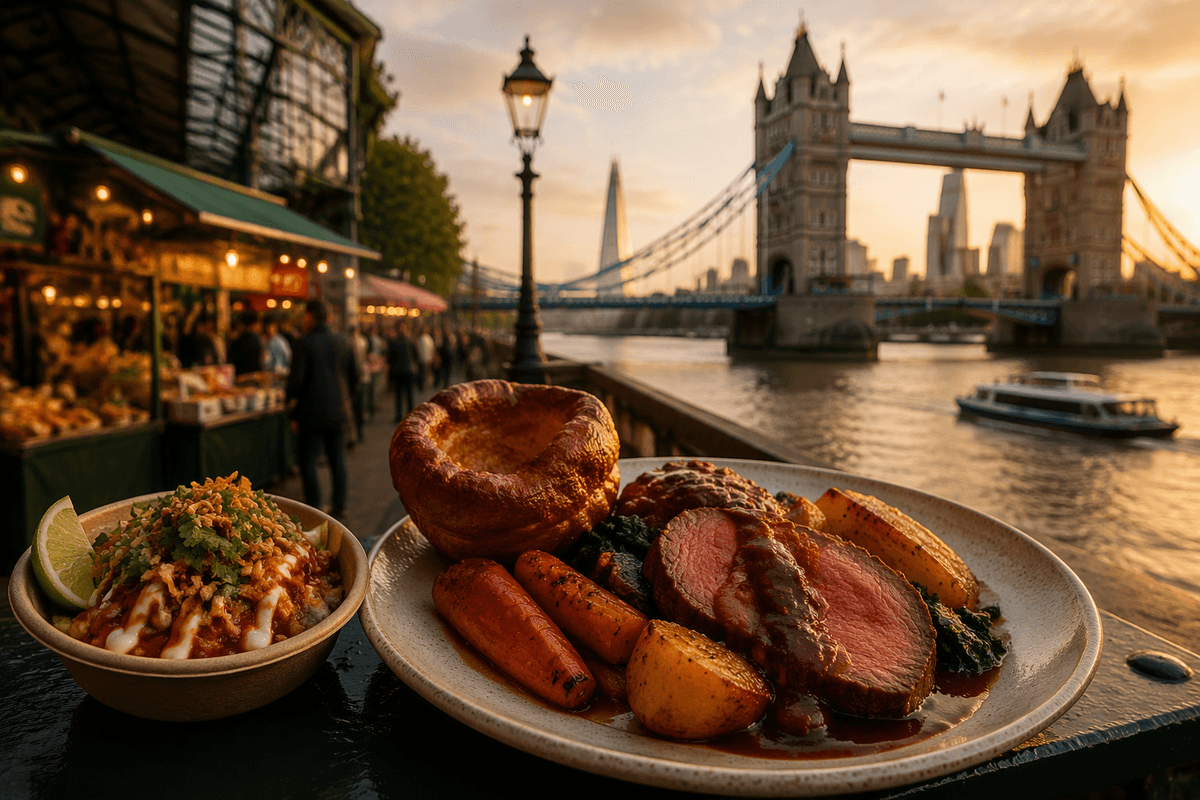
Why Christmas on a Disney ship feels different
The first time I realized Christmas on a Disney ship isn’t just “holiday décor + a cruise” was standing in the atrium on embarkation day, watching families in matching pajamas try to grab the same photo before their boarding group was even fully through the doors. It works because the ship’s schedule is already built for families—shorter transitions, lots of built-in entertainment, and staff who are used to kid pacing—but it also means the emotional “Christmas moment” can feel crowded fast if you’re expecting a quiet, cinematic reveal.
What makes it feel different (and, for many families, worth considering at the peak price) is how the holiday layer is woven into things you’d be doing anyway: shows, character encounters, music in public spaces, and small seasonal touches that don’t require you to add extra planning tasks. Compared with trying to manufacture holiday magic in a hotel + theme park setup, the ship can feel simpler—fewer transportation decisions, fewer “we missed it” regrets—because you’re all on the same floating timetable.
The constraint is that Christmas week turns those same strengths into pressure points: popular character greetings fill up, common areas get shoulder-to-shoulder right when kids melt down, and you may need to choose between “holiday ambiance” and “quiet downtime” more often than you’d like. If your kids recharge with space, that difference matters as much as the decorations.
Choosing the right sailing: ship, itinerary, stateroom
I hesitated most at the calendar: sailing over actual Christmas week looks perfect on paper, but it’s also when airfare spikes, ports are busier, and any delay (a late flight, a long security line) lands harder because you’ve got fewer “flex” days. If you can swing it, the shoulder of break—early December or the first days after New Year’s—often keeps the holiday overlay while slightly easing the crunch. For a 5–7 night plan with kids, that timing choice matters as much as the ship itself because it affects stamina: fewer crowds means fewer tiny waits that add up into a pre-dinner meltdown.
For itinerary, I’d decide based on what your family needs to feel restored. Caribbean sounds like the obvious win, but winter weather can make sea days breezier than you expect, and a “perfect beach day” isn’t guaranteed. A Bahamas route with Disney’s island day can be simpler logistically (shorter port day, fewer buses), while a longer Western Caribbean loop can feel like you’re paying peak prices for excursions your kids may not tolerate after late nights onboard.
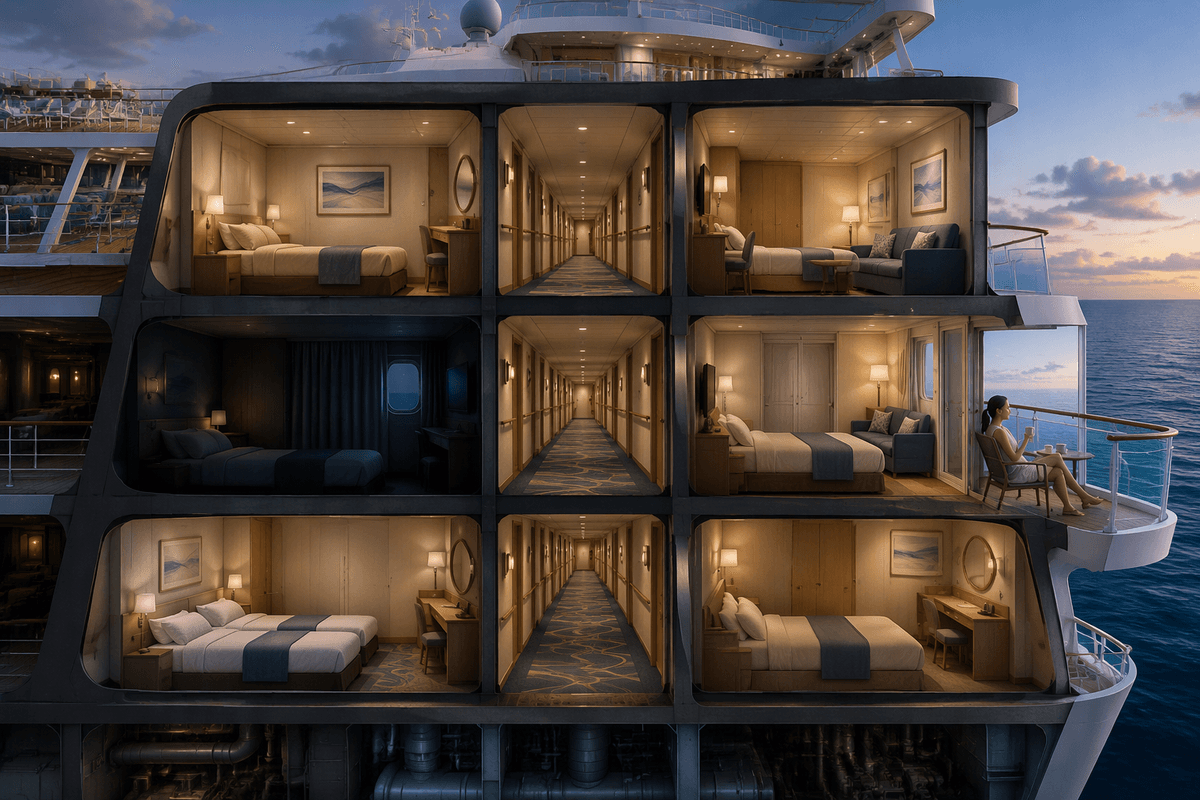
Stateroom choice is where you buy quiet. Inside rooms sleep well and cost less, but you lose the reset button of a balcony during nap time. If your kids wake early, prioritize midship and a deck buffered by cabins above/below—less corridor noise—and consider a verandah only if you’ll actually use it as decompression space, not just as an expensive photo backdrop.
What holiday magic looks like onboard, daily
The first real “okay, this is Christmas” moment onboard usually hits before dinner—when you’re trying to decide between grabbing a decent seat for a holiday show or keeping a normal kid routine and protecting bedtime. Disney makes it tempting to chase every seasonal thing because it’s layered on top of the regular entertainment, but on a 5–7 night sailing you’ll feel the difference between “festive” and “frantic” by night two. If your kids tip into overtired fast, treat the holiday schedule like you would a park day: pick one anchor event per evening and let the rest be optional.
Day to day, the magic is less about one big program and more about how often you stumble into it—carolers in the atrium, characters in holiday costumes, seasonal craft times, surprise mini-performances, and a ship that smells faintly like cookies whenever you walk past the cafés. What works well is that these moments don’t require transportation or perfect weather; what doesn’t is that the most “photogenic” ones happen in the same central spaces, at the same high-traffic times (right after muster/early evening/between shows). If you want a calmer experience, check the app schedule and aim for the second showing of anything, or the odd mid-afternoon slot when families are napping.
For kids, the clubs tend to be the stealth MVP of holiday week—more hands-on seasonal activities with fewer lines, and you’re not stuck hovering in a crowded hallway trying to keep everyone cheerful. The trade is that some of the marquee holiday moments skew late (deck parties can be breezy and loud, even in the Caribbean), and you may have to choose between “seeing it live” and keeping the next morning functional. If your family is flying home right after the cruise, that choice matters more than the promise of one more perfect snowfall-on-deck photo.
Food, treats, and festive dining moments
The first night I tried to “do Christmas dinner right,” I realized the friction isn’t finding something tasty—it’s timing it around kid hunger and the ship’s photo-and-show gravity. Rotational dining stays reliable even during peak week (you’re not fighting for a table the way you would at a resort), but the earlier seating can feel like a sprint if you’re coming straight from a character line, and the later seating can turn into a stamina test when the dining room pace is slower than your kids’ bedtime.
Holiday week is when the dining extras matter: themed desserts, seasonal cocktails, and small festive touches that make the same restaurants feel different without you needing to book anything special. What works well is the predictability—your servers learn your kids’ “safe foods” by night two—so you can take more risks with adult entrées and still keep dinner peaceful. What doesn’t is that the most popular sweet spots (the cafés, quick-service counters, and any “limited-time” treats) get congested at the exact moments families are already cranky: post-show and right after returning from port.
If you want one dining splurge to feel holiday-level memorable, prioritize it early in the sailing, not the last night—by then, kids are tired and you’re usually packing. And if your crew melts down in formalwear, skip the full outfit plan and focus on one clean, comfortable “photo-ready” look; the memory is the table energy, not whether everyone made it through dinner in velvet without tears.
Ports, excursions, and keeping kids in the spirit
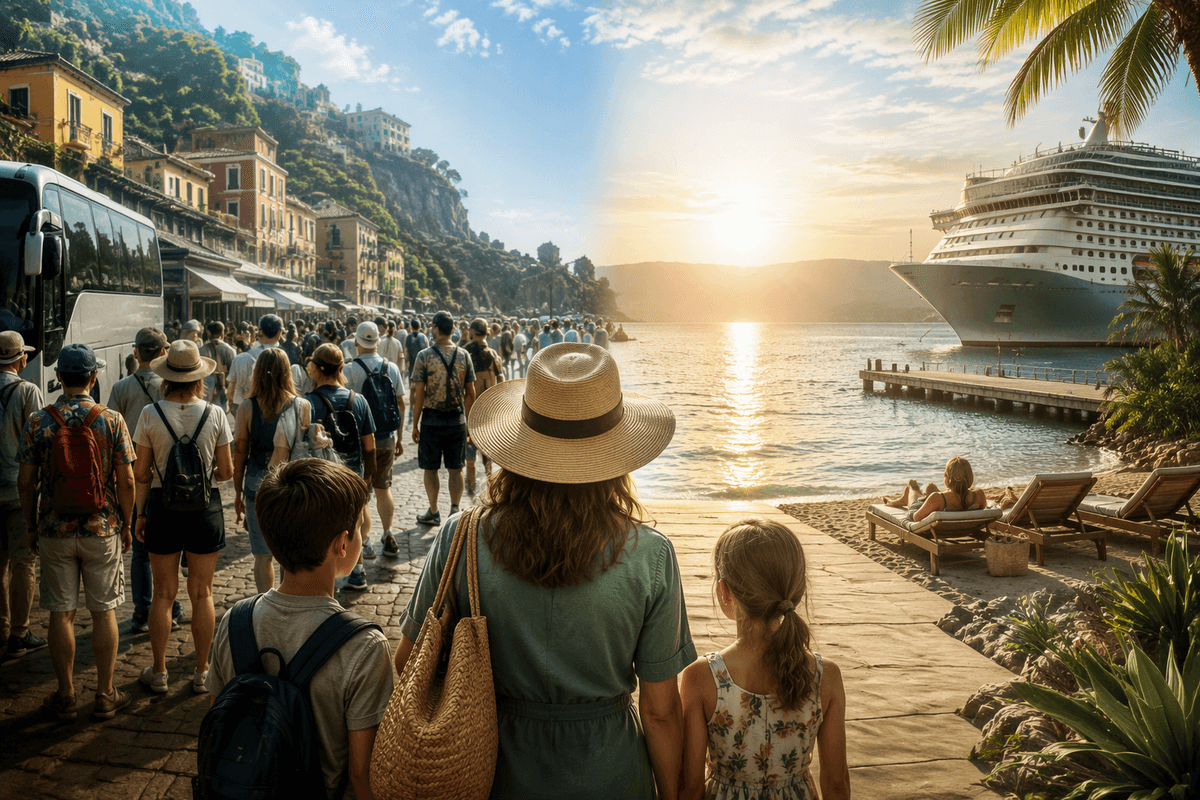
On our first port morning I made the classic mistake: I treated it like a “max value” day, booked an early meetup time, and only then remembered we’d been up late for holiday entertainment the night before. It can work—kids love the novelty of waking up somewhere new—but Christmas-week ports also run on tighter funnels (security, gangway lines, buses), and those little waits feel longer when you’re trying to keep a child in sandals, a light jacket, and a decent mood.
If you’re choosing between a big-ticket excursion and a simpler beach/ship morning, I’d decide based on your kids’ recovery pattern, not your Pinterest bucket list. Character-style excursions and popular tours can sell out and often require being punctual, which is stressful when you’re also juggling sunscreen, motion-sickness bands, and “I’m hungry” five minutes after leaving the ship. The easier win, especially on a 5–7 night sailing, is building one “effort day” and one “low-effort day”—and letting the ship itself carry the holiday vibe while you’re in port.
To keep the Christmas feeling from evaporating the moment you step onto a pier, I found it helped to bring one small onboard ritual ashore: a tiny stocking stuffer for the backpack, a holiday audiobook for the bus ride, or even reserving a festive treat for the walk back onboard. It’s not as magical as snow-in-the-atrium, but it smooths the re-entry—because the hardest part of port days isn’t the destination, it’s getting everyone from “hot and tired” to “ready for dinner” without the mood collapsing.
Is a Christmas Disney Cruise worth it for you?
On our last full day, I caught myself doing the math in reverse: how many “Christmas moments” did we actually get without forcing them? That’s the real worth test on a holiday sailing—because you’re paying peak pricing either way, but you only feel good about it if the ship’s built-in festive layer saves you effort (and arguments) compared with trying to cobble together holiday magic on land. If you’re the kind of parent who’s already stretched thin in December, the convenience can genuinely land.
It’s less worth it if your kids need lots of quiet space, you hate lines, or you’ll resent paying more to do a little less. Christmas week crowds are manageable when you plan for them (second showings, mid-afternoon downtime, a cabin that functions as a reset), but frustrating if you’re hoping to “go with the flow.” If cost is the sticking point, the best compromise is often early December or just after New Year’s—holiday décor and programming, with fewer pressure points.
If you do commit to Christmas week, stack the deck in your favor: book as early as you can, build a flight buffer on both ends, and pick one must-do per day so you’re not chasing everything. The trip feels expensive; the experience feels priceless only when your plan protects everyone’s stamina.







![7 Best Rental Listing Sites [Where to List Apartment Rentals]](static/image/2026/08/18/75e4f38f-928f-4a37-9c77-77d68c8911d4.png)