Seattle summer with kids: expectations vs reality
On our first morning, I stared at the Pike Place crowds from a block away and realized the “we’ll just wing it” plan was a fantasy in July. Seattle can feel compact on a map, but with kids you pay for every extra transfer, hill, and line—especially if you’re pushing a stroller and someone suddenly needs a bathroom.
Reality check: you can’t do “all the icons” and still keep afternoons mellow. The waterfront + market + Seattle Center sounds tidy, but it stacks peak crowds and decision fatigue. We did better picking one big-ticket thing per day (ferry, museum, or a signature view) and filling the rest with parks and neighborhood wandering that didn’t punish us if we bailed early.
Also, the weather isn’t the main risk—energy is. A sunny day can tempt you into overbooking; a gray morning can make you grateful you planned something indoors within a 15-minute reset window.
Where to stay for easy, kid-friendly logistics
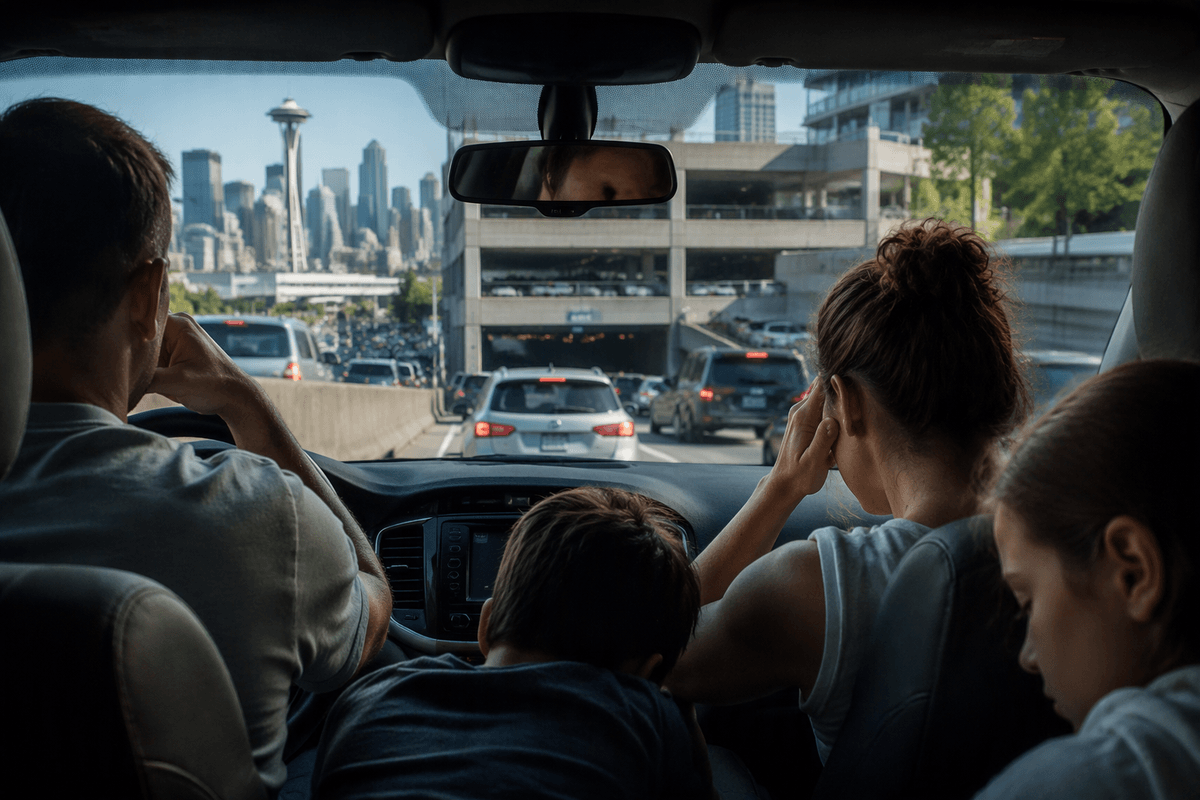
The first real decision wasn’t which hotel had the best view—it was whether we wanted to spend our limited kid-energy on Seattle’s hills and transfers, or on actual playtime. Staying “centrally” sounds smart until you realize central can still mean a steep walk back from dinner with a tired six-year-old and a stroller that suddenly feels twice as heavy.
For low-friction days, I’d bias toward two hubs: Lower Queen Anne (near Seattle Center) or downtown near Westlake. Lower Queen Anne worked well for us because Seattle Center is an easy default when plans wobble—playgrounds, open space, and quick wins without a long transit commitment. Westlake/downtown is better if you’re ferry-forward (waterfront access, easy light rail), but it’s louder and the evening sidewalk crowds can be a lot with little kids.
What I’d avoid in peak summer, unless you’re committing to a car: staying far north or south to “save money,” then trying to stitch together days around rush-hour traffic and parking. The math looks good at booking time; it feels worse when you’re budgeting 45 minutes just to get to your first coffee.
Top outdoor wins: parks, beaches, and views
We learned fast that Seattle’s best “outdoor attractions” with kids aren’t the ones with ticket lines—they’re the ones where you can succeed in 20 minutes and still have the option to stay for two hours. Kerry Park delivered the classic skyline view with almost no commitment, but it’s small and can feel oddly crowded for how tiny it is, so we treated it like a quick photo stop on the way to something else. For a longer reset, Seattle Center’s open space worked better than expected: it’s not wilderness-pretty, but it’s flat, stroller-friendly, and forgiving when someone melts down and you need a bench and a snack.
For beaches, we liked the “build in an exit plan” approach. Alki is the obvious pick—space to run, views, and plenty to look at—but it can get packed in late afternoon, and the bus ride (or parking hunt) is where patience goes to die. Golden Gardens felt a little calmer and more playground-adjacent, but it’s farther from most tourist hubs, so it’s better as your main outing, not an add-on.
If you want water without the full beach logistics, the easy win was a short walk along the waterfront piers early in the day, before the crowds thicken and every bathroom break turns into a detour.
Rain-or-shine indoor backups kids actually enjoy
One morning started gray and oddly windy, and we had to decide fast: commit to an indoor block, or gamble on “it’ll clear” and risk burning an hour just shivering near the waterfront. The indoor plan that worked best was the one that didn’t require a full reset—short transit, predictable bathrooms, and something hands-on so the kids weren’t being asked to “appreciate” anything.
Seattle Center is the safest bad-weather pivot because you can scale it. Pacific Science Center kept our 4–10 range happy (and absorbs energy instead of demanding it), but it’s popular in summer and can feel loud and dense midday; we aimed for earlier entry and treated it like a 2–3 hour win, not an all-day marathon. If you’re tempted by Chihuly or MoPOP, I’d frame them as “adult-leaning with kid tolerance”—worth it if your kids like bold visuals or music, less so if they need to touch everything.
For a calmer, lower-cost indoor stretch, the Seattle Public Library (Central) surprised us: big interior space, quick gratification, and no ticket line—just note that it’s more “quiet reset” than “run it out,” so it works best right after lunch when everyone needs to downshift.
Getting around: strollers, ferries, and transit hacks
We lost our first 25 minutes of the day to what should’ve been a simple choice: bus vs rideshare—until we remembered Seattle’s hills don’t care that you’re “only going a mile.” With a stroller, we had better days when we treated steep walks as optional, not virtuous. If a route looked flat on the map but required a climb back after dinner, we’d save our legs (and patience) by taking transit one way and walking the easier direction the other.
On buses and Link light rail, the system mostly worked—fast enough, frequent enough—but timing mattered more than we expected. Midday rides were calmer; late afternoon around the waterfront and downtown got crowded, and that’s when a folded stroller is suddenly a puzzle. If your kids are in the “walk… until they won’t” phase, plan one intentional break where you don’t have to transfer.
Ferries were the easiest “iconic” transport win, as long as we didn’t stack them next to another peak-time attraction. The boat ride buys you built-in entertainment, but lines can spike in summer, so we aimed for earlier sailings and kept snacks accessible—once you’re queued, you’re committed.
Food and downtime: quick meals and breaks
By day two we stopped pretending meals would be “a fun discovery” and started treating them like logistics: feed everyone before the hunger cliff, then keep moving. Pike Place is tempting, but it’s the wrong place to solve a kid lunch at noon—too many lines, too much weaving, and nowhere to park a stroller without feeling in the way. When it worked best was early (coffee + pastry) or late (a single treat), not as the center of a meal plan.
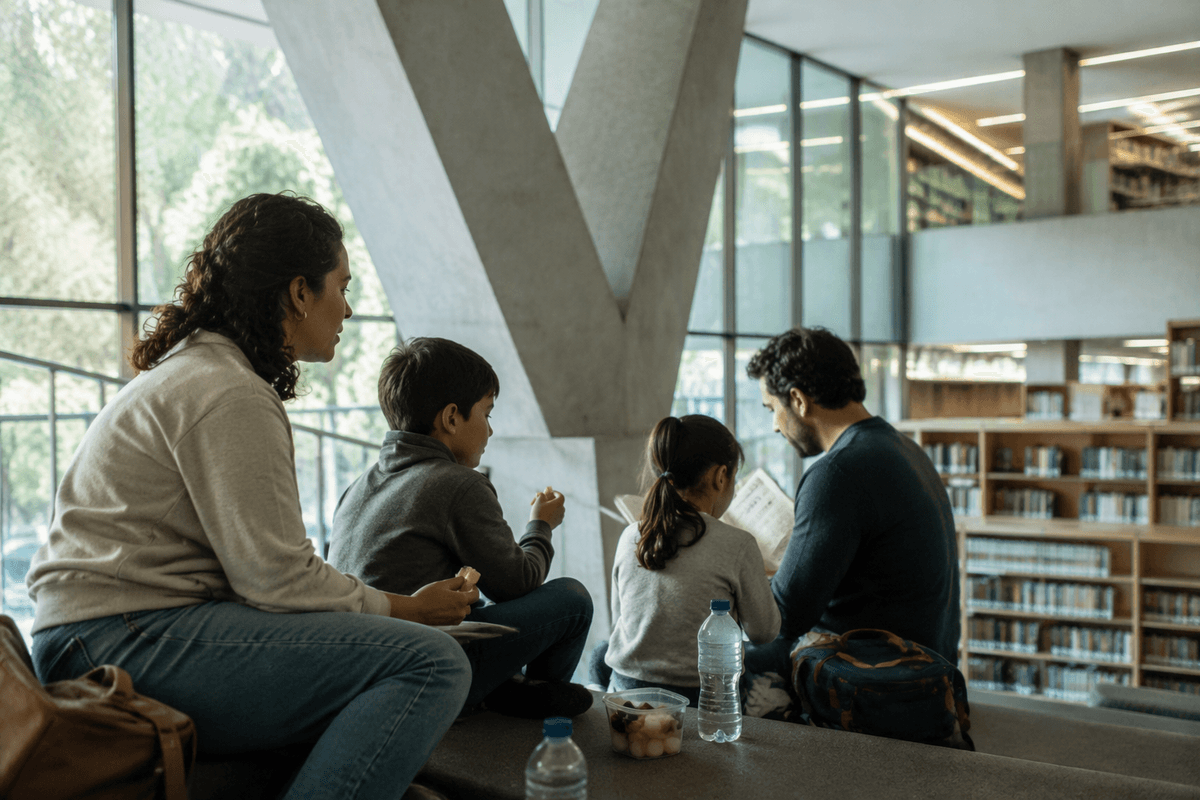
Our most reliable pattern was grabbing something fast near wherever we already were (Seattle Center or downtown), then taking it to a predictable reset spot: a flat patch of grass, a fountain edge, or even the Seattle Public Library for a quieter decompression. Sitting down “for real” can be nice, but it also eats your prime afternoon energy and makes the next transit hop harder. If you want one sit-down, make it an early dinner—restaurants feel less chaotic, and you’re not negotiating bedtime on a full stomach in a crowded dining room.
A simple checklist to leave feeling satisfied
The night before we left, I wrote a short “did we actually do Seattle?” list, because it’s easy to go home feeling like you missed something—when really you just avoided three unnecessary lines. This is the version that worked for us with two kids and a mid-range pace; if you try to check every box, it stops being calming and starts being a scavenger hunt.
Leave satisfied checklist (pick what fits your energy): (1) One iconic view stop (Space Needle or Kerry Park) early, before crowds make it feel like work. (2) One ferry ride as the “big transport” day—don’t sandwich it between the market and a museum. (3) Two true playground/park blocks (Seattle Center counts) where adults don’t “optimize” anything. (4) One indoor anchor you can deploy fast (Pacific Science Center or the Central Library) if the weather or moods turn. (5) One waterfront moment early, not at peak afternoon, so the stroller-and-crowd math stays reasonable.