Choose your Kenya: safari, coast, culture, or peaks
I stared at the map and realized my “Kenya dream” was actually four different trips fighting for the same 12 days: Maasai Mara drama, an Amboseli elephant-with-Kilimanjaro photo, a few coast mornings, and at least one cultural stop that didn’t feel like a staged detour. The constraint isn’t desire—it’s transit. Kenya looks compact until you price the flights or watch drive times stack up, and suddenly you’re spending daylight hours in a vehicle instead of in a park.
If this is your first, once-in-a-lifetime swing, pick one primary safari region and build around it. The Mara is the classic choice for big cat density and the “this is why I came” feeling, but it’s also where crowds and peak-season pricing can bite hardest—especially if you insist on river crossings in the height of migration season. Amboseli is visually iconic and often easier to slot in, yet the Kilimanjaro view is weather-dependent, so you’re gambling on haze and clouds even when the wildlife is good. Laikipia can feel more private and activity-rich (walking, night drives in some conservancies), but it’s less plug-and-play and usually pricier for the comfort level most first-timers want.
Then decide what you’re adding: coast, culture, or peaks—ideally just one. Coast (Diani or Lamu) is the best “exhale,” but it costs you at least a half-day each way unless you fly. Peaks (like Mount Kenya) reward you with cool air and quiet trails, but it’s effort-forward and not a casual add-on after early safari game drives. Culture works best as a short, specific stop (a market morning, a craft center, a neighborhood food walk) rather than a long “village visit” bolted onto a driving day when everyone’s already tired.
The iconic wildlife moments worth planning around
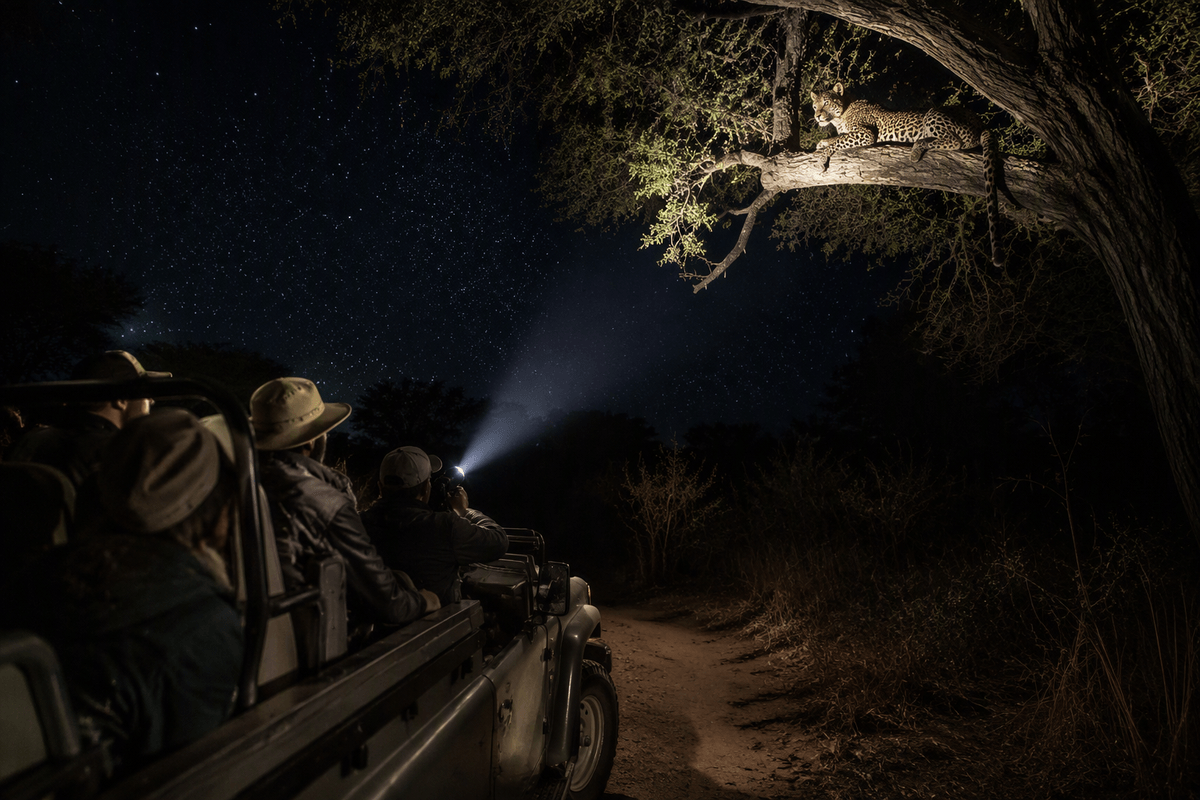
The first moment worth planning around is the one you can’t “force” once you’re there: the Mara at first light, when the cats are still moving and the vehicles haven’t stacked up on the radio calls yet. If you’re only doing two nights, you’ll feel rushed—one foggy morning or a long loop to a sighting can eat your entire “big moment.” Three nights in the Mara is the point where you stop chasing and start noticing patterns, but it also bumps cost fast in peak months, and the main reserve can feel busy compared to adjacent conservancies.
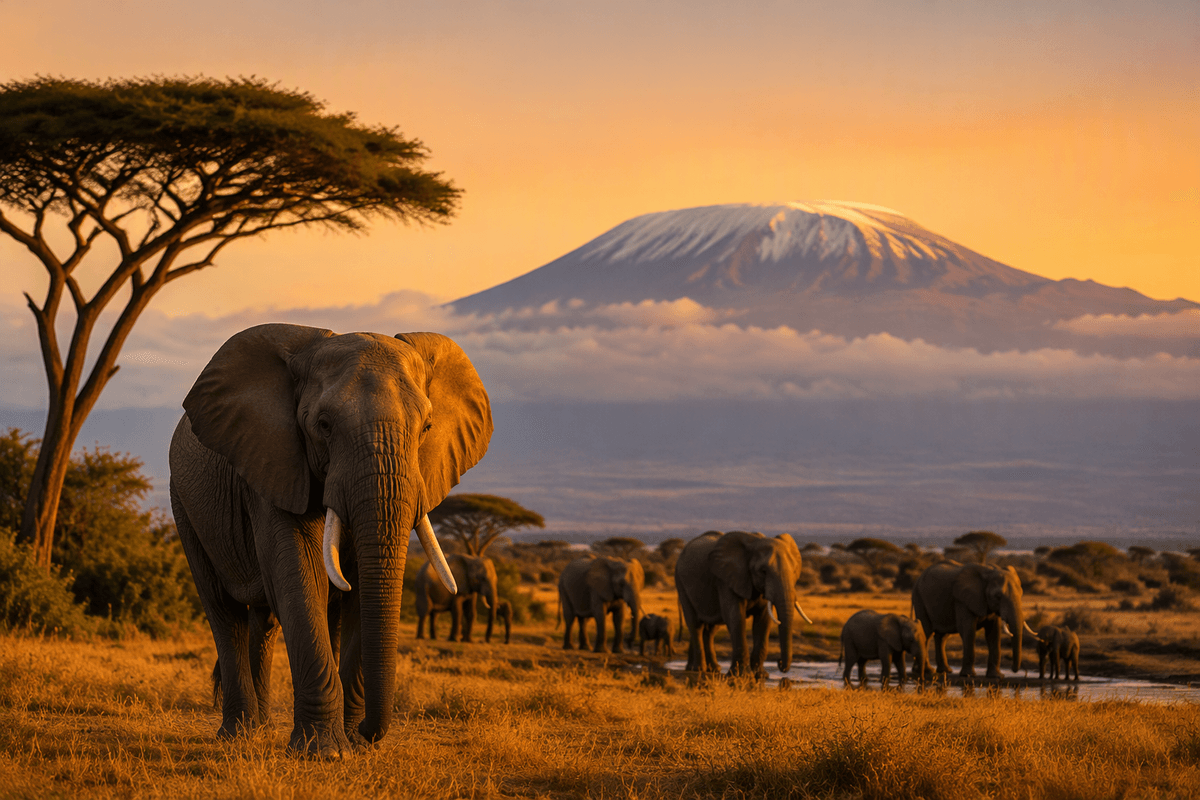
The second is the Amboseli elephant scene with Kilimanjaro in the background—iconic, but conditional. The wildlife is often reliable; the mountain isn’t. If you’re going for that postcard frame, build in at least two mornings and treat the snowcap as a bonus, not a guarantee. You also need to be okay with flatter game-drive variety than the Mara; it’s more about elephants and open views than non-stop predator action.
Beyond safari: coast escapes and cultural encounters
The day I tried to “just add the coast” on paper was the day the itinerary stopped looking romantic and started looking like a transport schedule. From the Mara, a road transfer to Diani is essentially a write-off day (often more), and even with flights you still have airport buffers, delays, and the small annoyance of arriving when the beach light is already gone. If you want the coast to feel like recovery instead of another checkbox, I’d treat it as a minimum of three nights—two can work, but only if you’re flying and you’re okay with a slightly compressed, sleep-and-swim rhythm.
Diani is the straightforward exhale: easy hotels, predictable logistics, and enough restaurants to not overthink meals—though it can feel resort-forward if you were hoping for a quieter Swahili atmosphere. Lamu flips that: it’s moodier, more atmospheric, and slower, but it’s also less plug-and-play, with more “where is the boat/where is the driver” friction and fewer back-up options when something runs late. For a first Kenya trip trying to stay smooth, Diani is the safer bet; Lamu is the better story if you can tolerate a little logistical drag.
On the culture side, I’d be selective. A short, specific stop in Nairobi (a market morning, a craft cooperative, a focused food walk) can feel grounded and real in a way that a generic “village visit” on a transfer day often doesn’t—especially when you’re tired and everyone’s watching the clock. If you’re already paying for a guide and vehicle, build culture into a half-day with a clear purpose, then get back to the reasons you came: wild spaces and, eventually, salt air.
When to go, where to base, and how to get around
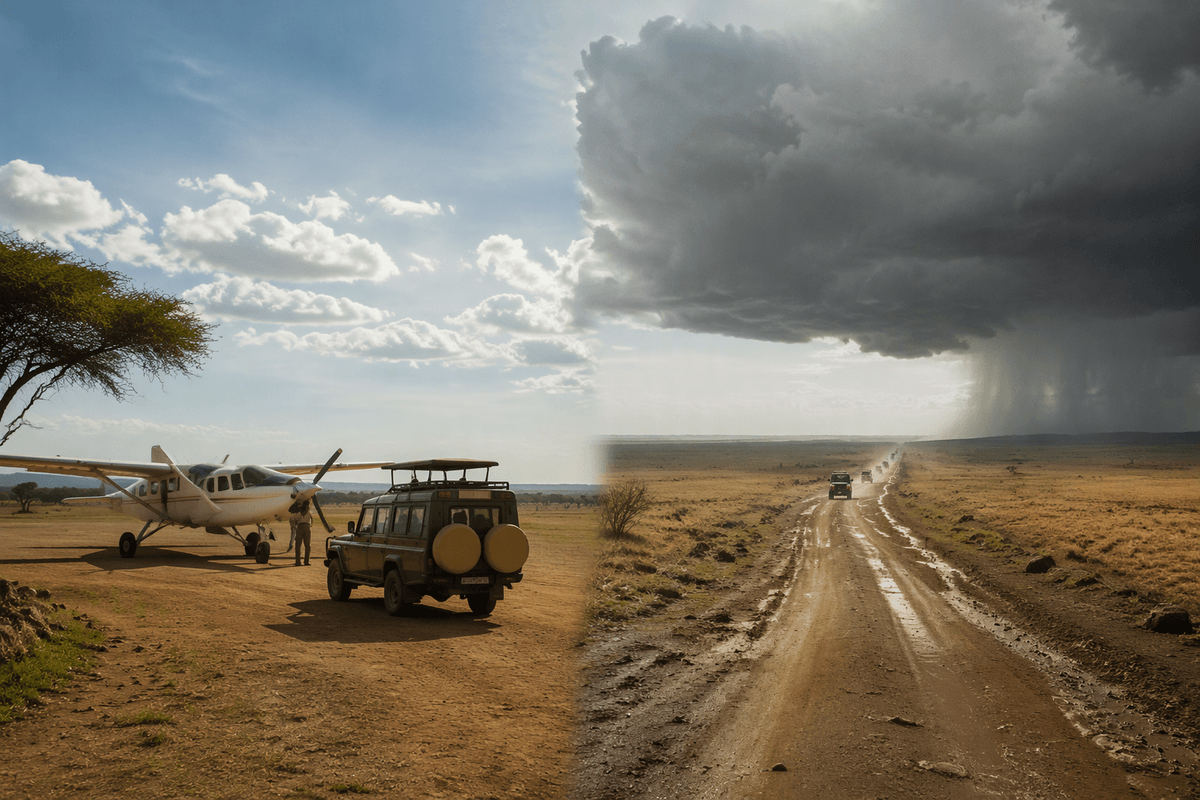
I almost booked July on instinct—“migration season, done”—until I pictured what that actually means on the ground: higher rates, fuller camps, and more vehicles converging on the same radio call. If you’re chasing the classic Mara intensity and can absorb the cost, late July through September is the high-drama window, but you’ll want patience for crowds and a willingness to leave the busiest sightings. If you care more about value and breathing room, shoulder months (roughly January–March or June) can feel smoother, with solid wildlife and less of the traffic-jam energy—at the cost of slightly less predictability around the bucket-list river-crossing storyline.
Where you base matters more than first-timers expect, because it quietly decides your daily drive time. In the Mara, staying inside/near the reserve prioritizes dawn access, but it can be pricier; staying farther out can look like a deal until you realize you’re commuting when animals are most active. For a classic two-stop safari, pairing Mara + Amboseli works because you’re not doubling down on the same landscape—just don’t try to connect them by road unless you enjoy losing a day.
For getting around, I’d treat domestic flights as a strategic splurge: they cost more, but they protect the whole “once-in-a-lifetime” feel by cutting dead transit. Driving can work if you keep the circuit tight (Nairobi → Amboseli → Nairobi, or Nairobi → Mara), but Kenya’s real friction is time slippage—slow roads, weather, and park-entry timing that turns a “half-day transfer” into an evening arrival.
Budget, safety, and booking: what first-timers overlook
I felt it most clearly the first time I priced “the same” Mara stay three different ways: a midrange tent that looked identical in photos, a conservancy camp that quietly included more, and a budget-friendly option that only made sense if I didn’t mind commuting at dawn. Kenya’s cost isn’t just park fees and beds—it’s where you sleep relative to the gate, what’s bundled (game drives, meals, transfers), and how many times you pay the “time tax” of long drives. A cheaper nightly rate can end up costing you sightings, because you’re arriving after the best movement and leaving before the last light.
Booking is where first-timers accidentally buy friction. If you want night drives or walking, confirm you’re in a conservancy (and that it’s actually included), because the main reserves don’t always allow the same flexibility. Also ask for the unglamorous line items upfront: park fees, conservancy fees, vehicle type, private vs shared drives, and what happens if a domestic flight shifts—because in a 10–14 day trip, one delay can domino your whole plan if everything is tight-coupled.
On safety, the practical approach worked best for me: choose reputable operators, don’t freelance cash payments mid-trip, and keep valuables boring and close in Nairobi. It’s not about being fearful; it’s about reducing decision fatigue so your attention stays on wildlife and weather, not on constant second-guessing.
Your Kenya shortlist: a confident, unforgettable plan
On my last planning pass, the question wasn’t “what else can we squeeze in?”—it was which version of Kenya we’d actually remember fondly, instead of as a blur of gates, runways, and repacking. For a first-time, once-in-a-lifetime 10–14 days, the cleanest shortlist is: 3–4 nights Maasai Mara (or a conservancy if you’re crowd-averse), 2 nights Amboseli (treat Kilimanjaro as a maybe), and 3–4 nights Diani to let the trip land. The constraint is obvious but worth honoring: if you add Laikipia and the coast, you’ll likely pay in either flight costs or lost daylight.
If you want one confident fork in the road: choose classic (Mara + Amboseli) when your priority is big wildlife variety and you’re okay with some vehicle density, or choose calmer (Mara conservancy or Laikipia + a shorter Mara hit) when you care more about space, walking/night options, and a less “radio-call” rhythm. Then book logistics to protect mornings: fly between far nodes, keep Nairobi to a purposeful half-day, and leave one loose buffer afternoon—because Kenya rewards flexibility, but punishes itineraries that pretend delays don’t happen.
![14 Best Personal Finance Tips [Financial Planning Tips for 2026]](static/image/2026/08/19/386a0029-2149-472a-96de-933a87ee417e.jpeg)